

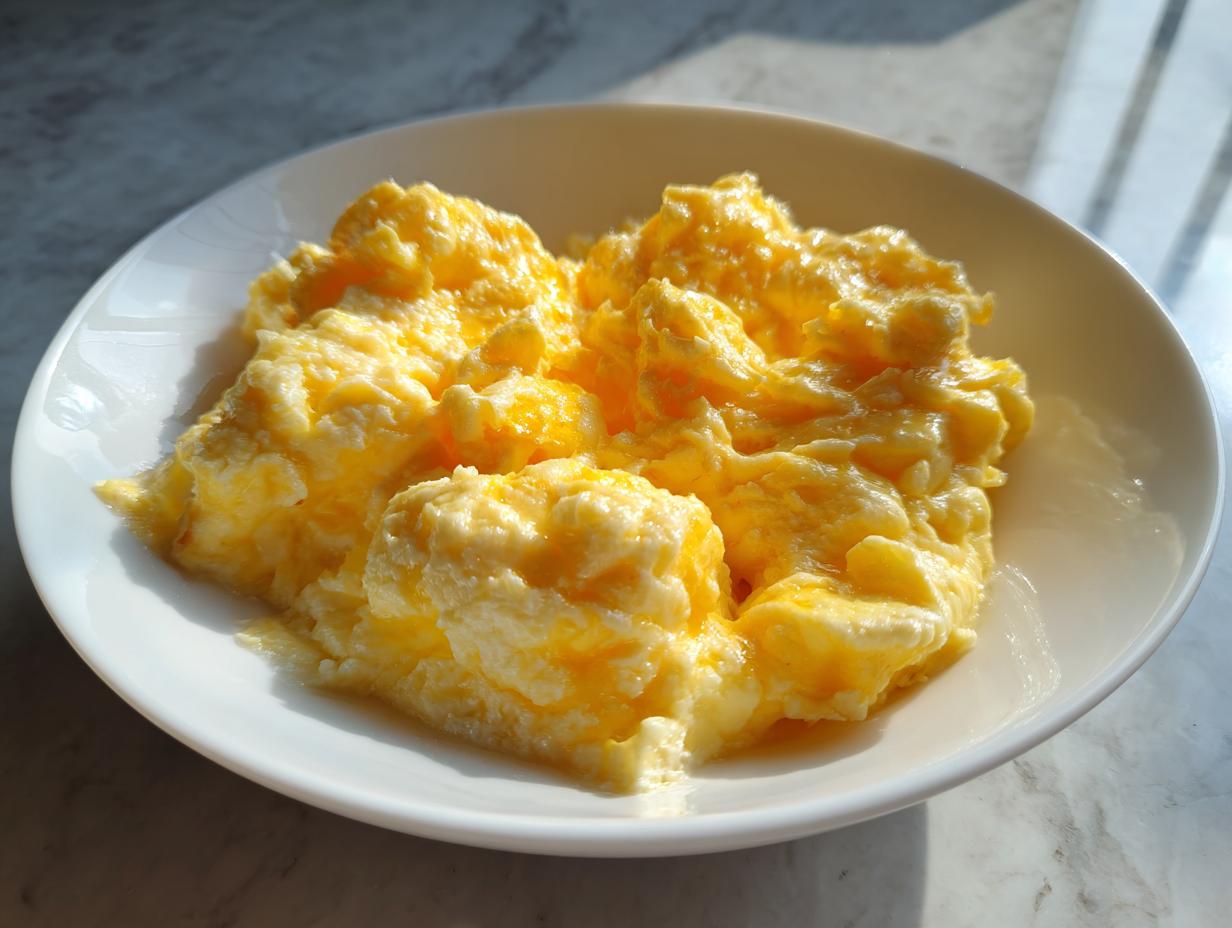
Oh, I know the feeling. We’ve all been there—staring down at a pan of sad, rubbery, dry little yellow pebbles that definitely do not count as a satisfying breakfast. It used to frustrate me to no end! Well, that frustration stops now, because I’m sharing my foolproof, five-minute technique for achieving the Ultimate Creamy and Fluffy Scrambled Eggs. This method embodies the Food Dexterity philosophy: taking classic ideas and adapting them to make achievable, delicious food, perfect for busy lives. Forget everything you think you know about scrambled eggs; this is how we get that gourmet, soft texture every single time. This recipe is a fantastic addition to your rotation of healthy breakfast ideas.
- Why This Creamy and Fluffy Scrambled Eggs Recipe Works
- Gathering Ingredients for Your Scrambled Eggs
- Step-by-Step Instructions for Restaurant Style Scrambled Eggs
- Tips for Success with Your Delicious Egg Variations
- Serving Suggestions for Quick and Easy Scrambled Eggs
- Storage and Reheating Instructions for Scrambled Eggs
- Frequently Asked Questions About Making Scrambled Eggs
- Nutritional Snapshot of These Simple Egg Breakfast Ideas
- Mastering Your Scrambled Eggs Technique
Why This Creamy and Fluffy Scrambled Eggs Recipe Works
There’s a real reason why these scrambled eggs turn out vastly different from the dry ones you might be used to. It all comes down to control over the heat and how you move the eggs around in the pan. We’re looking for large, tender curds, not tiny, over-set bits. This technique ensures you get that restaurant quality finish in just about five minutes total. If you need something fast outside of breakfast, check out some of my quick lunch recipes!
The Secret to Perfectly Fluffy Eggs: Air Incorporation
First things first: the fluffiness comes before the heat! You absolutely have to whisk those eggs like you mean it. I beat mine until they are completely uniform—no streaks of white left—and they look slightly airy. These are some crucial Tips for Fluffy Eggs; incorporating that air early on gives the final eggs lift when they hit the heat. It makes a huge difference, trust me on this!
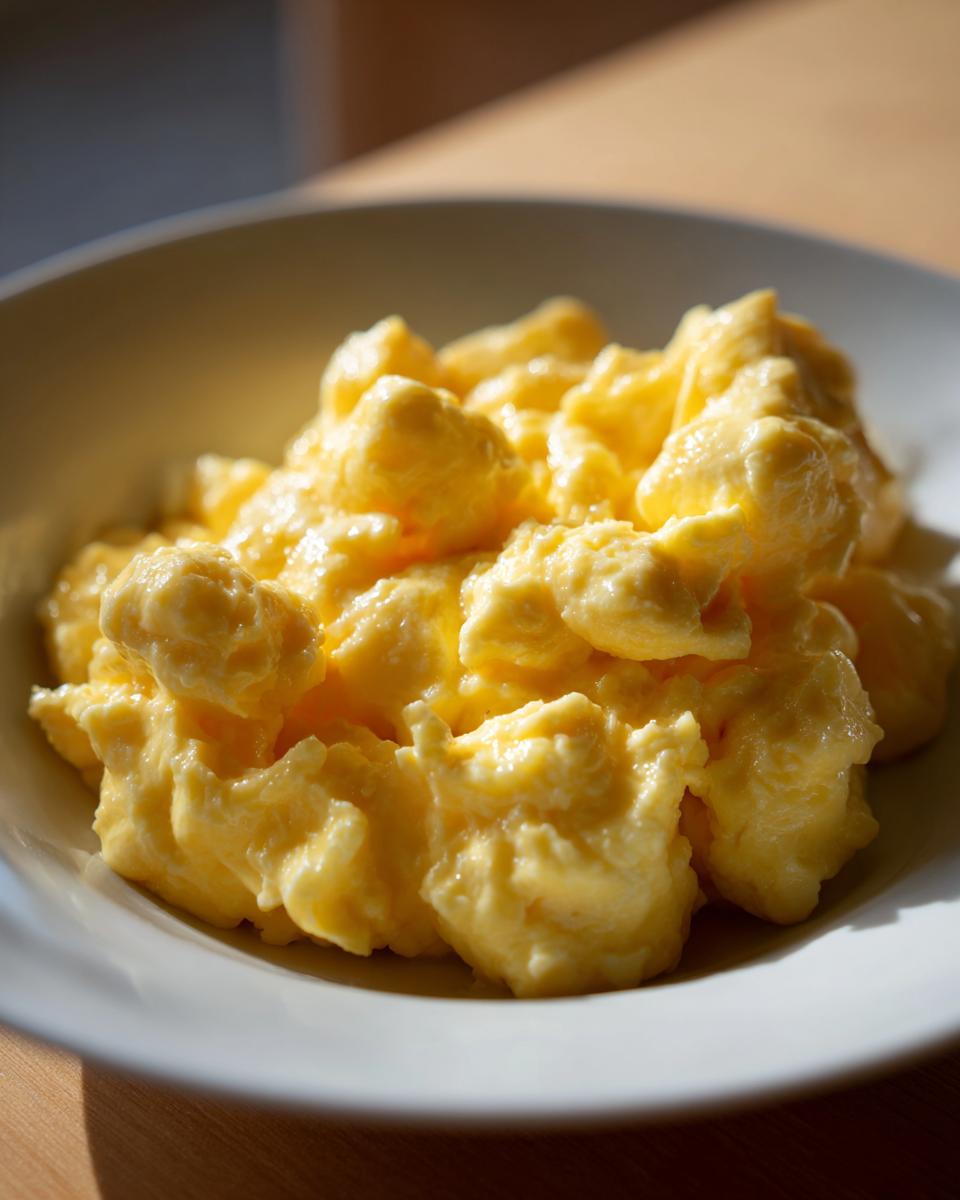
Achieving Soft Cooked Eggs Technique with Low Heat
The real game-changer for creaminess is patience—and keeping the temperature down! We’re doing a low-and-slow approach. This falls right under the Soft Cooked Eggs Technique banner. Cooking them slowly means they set gently, trapping moisture and creating that heavenly, custardy texture. You spend about two minutes prepping and three minutes cooking, making this a total 5-minute win for your morning.
Gathering Ingredients for Your Scrambled Eggs
You don’t need a dozen specialty items for truly gourmet eggs, which is why I love this recipe so much! We’re using basics, but we’re using them *right*. Remember, simple recipes shine best when the ingredients are good quality. Pull out your non-stick pan, because we are ready to cook!
- 3 large eggs (the fresher, the better!)
- 1 tablespoon unsalted butter (Please use real butter; it helps the texture so much!)
- 1 tablespoon half and half (or milk/cream)
- A healthy pinch of salt
- A dash of freshly cracked black pepper
Ingredient Breakdown and Substitutions
The dairy is totally important here. I use half and half because it strikes that perfect balance between richness and flow. If you want even more decadence, go ahead and use heavy cream. Now, if you’re asking about Scrambled Eggs Without Milk, I say yes, you can! Just use an extra half-tablespoon of butter instead, or even just water, but know that cream or milk is what creates that ultimate richness. Always reach for good quality, cold unsalted butter—it really impacts the flavor and how the eggs move in the pan.
Step-by-Step Instructions for Restaurant Style Scrambled Eggs
Alright, this is where the magic happens! When you follow these few critical steps, you’re not just making breakfast; you’re mastering the technique for ridiculously good scrambled eggs. Remember: low heat, patience, and the right tool. If you need a quick dinner idea after conquering breakfast, take a peek at these easy weeknight dinners.
Preparing the Egg Base and Pan Setup
We already worked hard whisking those eggs to get them frothy for fluffiness, so now we treat the pan gently. Pop your non-stick skillet on the burner and drop in that tablespoon of butter. You want it to melt completely until it’s foamy—that’s your signal. Keep that heat on low! If your pan is too hot, those beautiful eggs will stick and cook instantly into something tough. We want slow integration for deliciousness.
The Gentle Folding Technique for Scrambled Eggs
Pour the egg mixture in and let it just sit there for about 30 seconds. Don’t touch it! You’ll see the edges start to look a little solid. Now, grab your rubber spatula. We aren’t scrambling frantically; we are *folding*. Gently push the cooked edge from the side toward the middle, tilting the pan so the runny egg underneath flows into that empty patch. Keep doing this slow push-and-fold across the pan. This constant, gentle motion creates those big, luscious, soft curds you see in fancy diners.
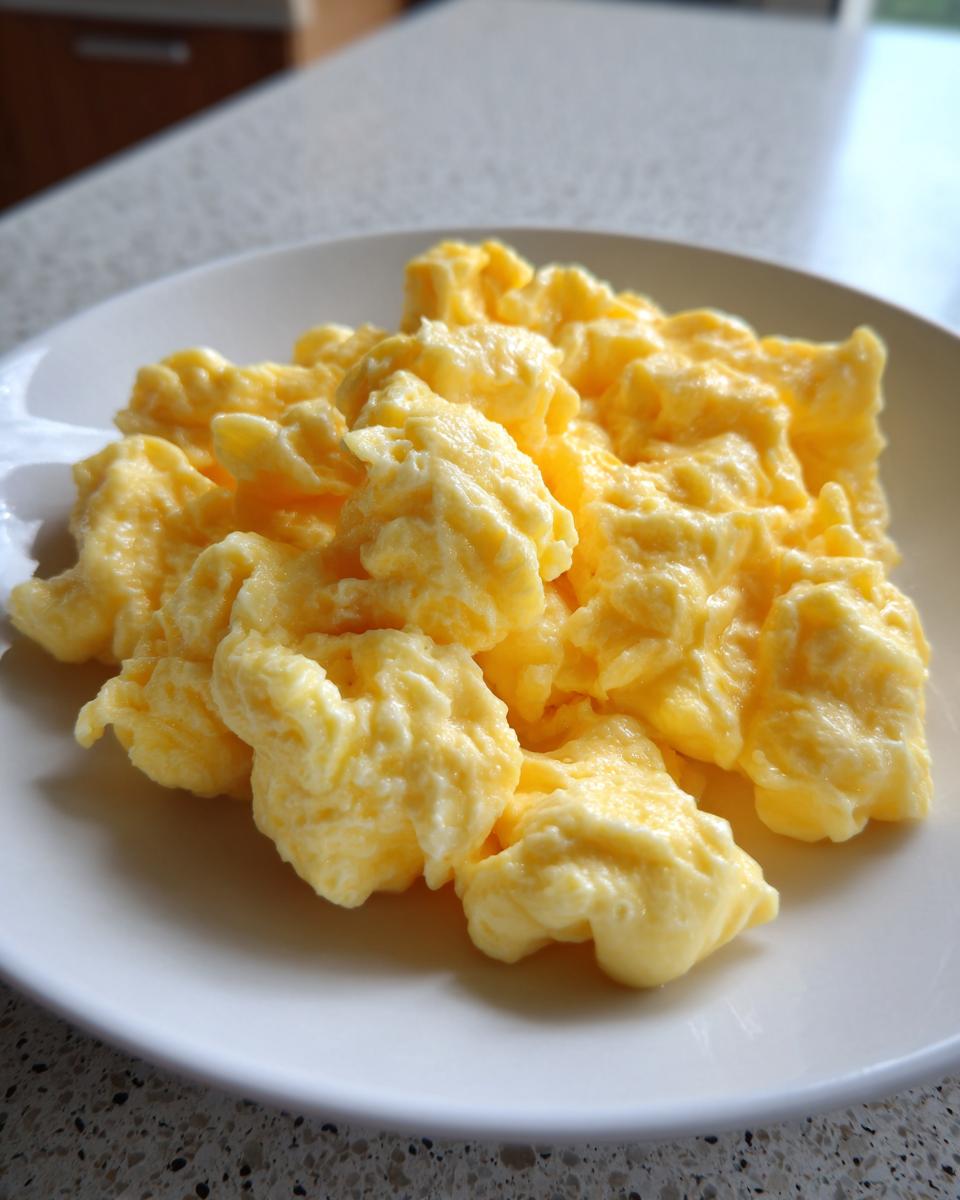
Crucially, when the eggs look about 90% done—meaning they are glossy, wet, and still slightly runny—SCREW the heat off. Seriously, take the pan right off the burner. The residual heat is doing the final cooking. Immediately stir in your cold half and half; this stops the cooking process dead in its tracks and guarantees that creamy finish we are aiming for!
Tips for Success with Your Delicious Egg Variations
You nailed the technique, but now you want to dress them up! Adding things like cheese or fresh herbs is where you can personalize these perfect scrambled eggs. My biggest warning is timing. If you throw cheese in too early when the eggs are still very liquid, it can sometimes grab the proteins and make the texture weird, or worse, it burns on the bottom of your pan because the temperature spikes.
For the best result, wait until the eggs are basically done—that moment when you take them off the heat because they are still glossy. That residual heat is perfect for melting cheese slowly without overcooking the whole dish.
Incorporating Cheese and Herbs into Scrambled Eggs
If you’re adding something shredded, like cheddar or Gruyère, stir it in right after you add that final splash of cream or half and half. The residual heat melts it beautifully into those soft curds. For herbs, chives are my absolute favorite—a little sprinkle on top just before serving gives you that pop of color and fresh, slightly oniony flavor that elevates these to Gourmet Breakfast Eggs instantly! Keep things fresh, and you can’t go wrong, even when mixing it up.
If you need a sweet counterpoint to all this savory goodness later in the day, check out my collection of simple dessert recipes!
Serving Suggestions for Quick and Easy Scrambled Eggs
Now that you’ve mastered the technique for the fluffiest, creamiest scrambled eggs imaginable, you need something to put them on, right? Because these cook so fast, they are the ultimate answer for any busy morning when you still want something wholesome. I usually just pile mine high on toasted sourdough, but honestly, they are incredible anywhere.
They are fantastic folded straight into warm tortillas if you’re making breakfast tacos—just add a little sharp cheddar! If you’re going for a healthier route, they pair perfectly next to creamy avocado toast. And if you’re feeling extra fancy, they are amazing topped with a dollop of my homemade guacamole; you can find that recipe for homemade guacamole right here!

Storage and Reheating Instructions for Scrambled Eggs
Okay, deep breath. Let’s talk leftovers, because I need to be honest with you: these luxuriously creamy eggs are *best* eaten straight from that warm skillet. The magic of the low-and-slow cook means they are incredibly soft, and that softness doesn’t always travel well when you try to stick them in the fridge.
If you must store them—maybe you’re meal prepping for your mornings—put them in a shallow, airtight container right away. Don’t let them just sit on the counter cooling down. They will firm up considerably overnight because residual cooking continues, and they’ll lose that glossy look.
Reheating is tricky business! Microwaving is usually a fast ticket to rubbery sadness. If you have to reheat, put whatever small amount you need in a non-stick pan with just a touch of water or a tiny pat of butter over the absolute lowest setting. Stir them constantly and gently until they are *just* warm—don’t try to bring them back up to cooking temperature. Honestly? Make just what you need. These quick-cooking breakfast beauties are worth the fresh effort!
Frequently Asked Questions About Making Scrambled Eggs
Everyone always asks me about making scrambled eggs because it seems so simple, but getting that ultimate texture can trip people up! I’ve collected the biggest questions buzzing around my email about getting your eggs perfectly creamy and fluffy every day. If you’re looking for something quick later on, I’ve got great healthy snack recipes too!
Can I use water instead of milk for fluffy scrambled eggs?
Oh, you totally can! If you’re out of milk or avoiding dairy, water works as a substitute. But here’s the thing you need to know: water evaporates much faster than milk fat does. So, while you might get eggs that are slightly lighter or fluffier, they will lose that wonderful, rich, custardy mouthfeel—that’s the creaminess we are chasing! Milk or cream just adds body that water can’t replicate.
What is the ideal ratio of eggs to liquid for creamy eggs?
For the absolute best texture when aiming for creamy eggs, the ratio listed in the recipe is fantastic—it’s basically one tablespoon of liquid for every two eggs, so for our recipe, it’s 3 eggs to 1 tablespoon of half and half. This small amount of liquid gives us enough moisture to keep the eggs soft but not so much that they end up thin or watery. It’s that perfect sweet spot for that velvety texture!
How do I prevent my scrambled eggs from becoming rubbery?
This is the make-or-break rule for all amazing egg dishes! The number one way to avoid rubbery eggs is to take them off the heat when they look slightly *underdone*—I mean glossy, wet, and just barely set. If you wait until they look ‘ready’ in the pan, they will solidify into hockey pucks the second you plate them. Trust the residual heat; it finishes the job gently, keeping those proteins tender and soft. That’s the secret to never having a bad batch again!
Nutritional Snapshot of These Simple Egg Breakfast Ideas
Now, while my focus is always on making food taste great and feel satisfying, I know sometimes you need to know what’s fueling you up for the day. Since we’re cooking with simple, whole ingredients—eggs, butter, and a touch of cream—these come out looking great on the macros sheet, too!
If you’re interested in making more swaps for lighter meals, you should check out my favorite low carb breakfast eggs guide. But here’s the breakdown for one serving of these gorgeous creamy eggs as we made them here:
- Serving Size: 1 serving
- Calories: 240
- Fat: 19g (That’s where the flavor is, folks!)
- Protein: 15g
- Carbohydrates: 2g
- Sugar: 1g
- Cholesterol: 550mg (Worth it for the texture!)
Quick reminder, because I always feel the need to say this: these numbers are just estimates! They change slightly depending on the size of your eggs or the exact brand of butter you grab from the fridge. But generally speaking, these are a fantastic, protein-packed way to anchor your morning meal!
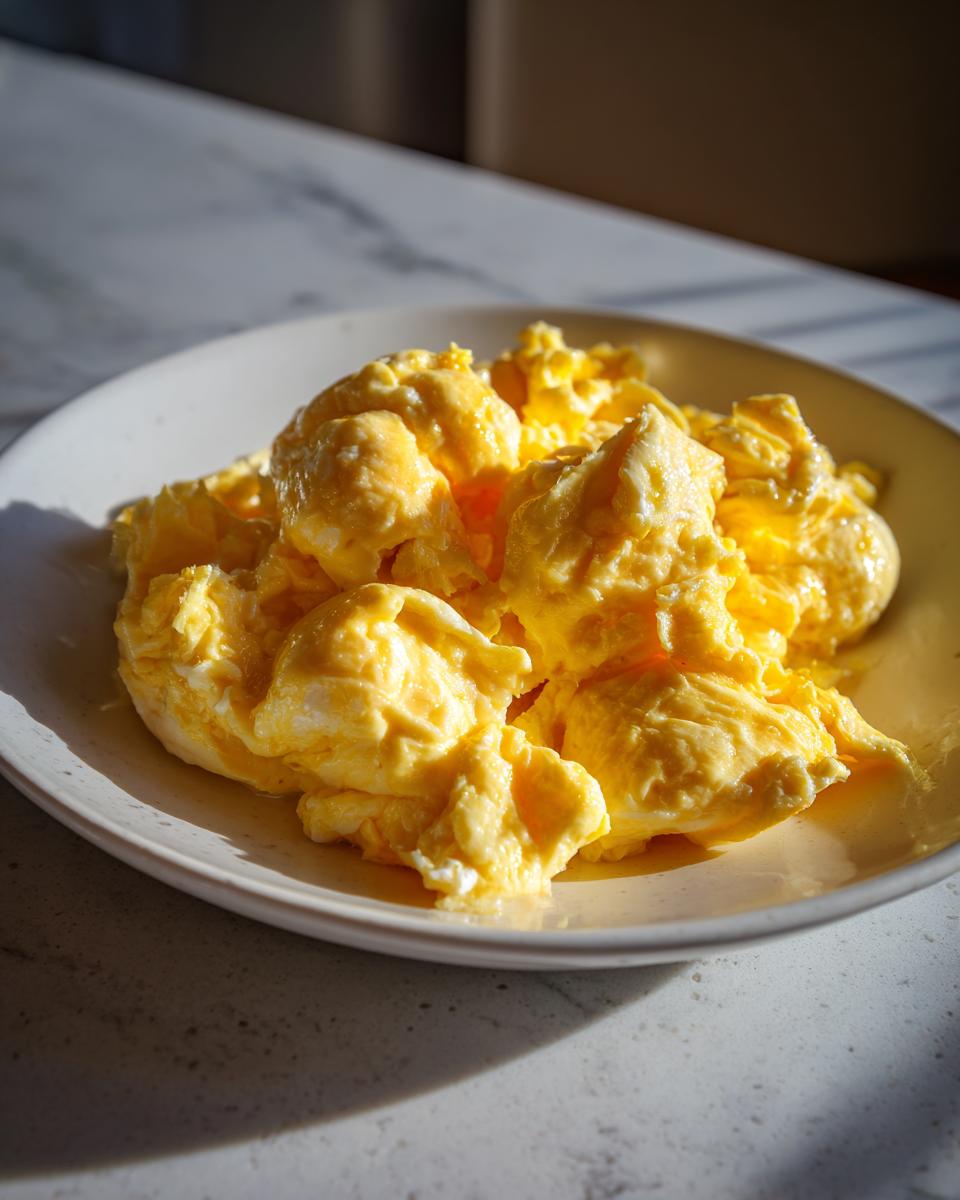
Mastering Your Scrambled Eggs Technique
That’s it, friends! We didn’t just make breakfast; we unlocked the secret to making truly decadent, soft, and perfectly fluffy scrambled eggs every single time. I hope seeing the ‘why’ behind the low heat and the gentle folding has given you the confidence to try this tomorrow morning. It’s about building dexterity in your own kitchen, not following rigid rules!
Don’t let this technique intimidate you. If the first batch isn’t *exactly* the creamy masterpiece you pictured, who cares? It’s still eggs! Get back in there tomorrow and try it again, maybe pulling the pan off the heat one second sooner. That’s what developing cooking skill feels like in practice.
I absolutely want to know what you think! After you try this method, please swing over to my contact page and let me know if you finally achieved peak creaminess, or if you tried adding smoked salmon. I love hearing how you adapt these simple ideas to fit your life!
PrintThe Ultimate Creamy and Fluffy Scrambled Eggs: A Foolproof 5-Minute Method

Learn the simple technique to make perfectly soft, creamy, and fluffy scrambled eggs every time, ideal for a quick and satisfying breakfast.
- Prep Time: 2 min
- Cook Time: 3 min
- Total Time: 5 min
- Yield: 1 serving 1x
- Category: Breakfast
- Method: Stovetop Cooking
- Cuisine: American
- Diet: Low Carb Breakfast Eggs
Ingredients
- 3 large eggs
- 1 tablespoon unsalted butter
- 1 tablespoon half and half (or milk/cream)
- Pinch of salt
- Pinch of black pepper
Instructions
- Crack the eggs into a medium bowl. Add the salt and pepper. Whisk the eggs vigorously until the yolks and whites are completely combined and the mixture is slightly frothy. This incorporates air for fluffiness.
- Place a non-stick skillet over low heat. Add the butter and let it melt completely until it foams slightly. Do not let the butter brown.
- Pour the egg mixture into the skillet. Let the eggs sit undisturbed for about 30 seconds until the edges just begin to set.
- Using a heat-resistant rubber spatula, gently push the cooked egg from the edge toward the center, tilting the pan so the uncooked egg flows underneath.
- Continue this gentle pushing and folding motion slowly across the pan. Keep the heat low.
- When the eggs are mostly set but still look wet and glossy (this is key for creaminess), remove the pan from the heat.
- Stir in the half and half. The residual heat will finish cooking the eggs to a soft, creamy consistency.
- Serve immediately for the best texture.
Notes
- For extra richness, substitute the half and half with heavy cream.
- Do not overcook; remove the eggs from the heat when they look slightly underdone.
- If you prefer a richer flavor without milk, use high-quality butter and cook low and slow.
- Serve these eggs on toast, in breakfast tacos, or alongside avocado.
Nutrition
- Serving Size: 1 serving
- Calories: 240
- Sugar: 1
- Sodium: 150
- Fat: 19
- Saturated Fat: 11
- Unsaturated Fat: 8
- Trans Fat: 0.5
- Carbohydrates: 2
- Fiber: 0
- Protein: 15
- Cholesterol: 550