


There’s nothing quite like sinking your teeth into a perfectly made, comforting mound of traditional food. For me, that comfort always leads me straight to West Africa, and I had to figure out how to bring that incredible experience home without spending hours fussing! That’s why I’m thrilled to share what I call my Easy West African fufu Recipe for Beginners. Here at Food Dexterity, my whole goal is to take those dishes that feel intimidating—like this wonderful, resilient fufu—and give you the simple techniques you need to make them easily. Trust me, mastering this stretchy dough is totally within your reach, and it’s deeply satisfying when you finally get that perfect scoop. To learn more about the philosophy behind making complex dishes approachable, check out our story here.
- What is fufu? Understanding This African Food Staple
- Ingredients for Your Easy fufu Recipe for Beginners
- How to Prepare fufu: An Authentic fufu Tutorial
- Tips for Success Making Your Plantain and yam fufu
- Serving Suggestions: The Best fufu Pairing Ideas
- Storage and Reheating Instructions for Leftover fufu
- Frequently Asked Questions About This Traditional African Side Dish
- Estimated Nutritional Data for This Gluten Free African Recipe Staple
- Share Your Homemade fufu Experience
What is fufu? Understanding This African Food Staple
If you’re new to the world of West African cuisine, you might be wondering what exactly fufu is! Simply put, it’s an essential, deeply comforting starch—a fantastic African food staple. Think of it like the rice or potatoes of the region, served proudly alongside rich, flavorful soups and stews. It isn’t meant to be eaten alone; it’s the perfect tool for scooping up every last drop of your favorite meal!
What really sets fufu apart is the texture. When made right, it should be incredibly soft, smooth, and just a little bit stretchy—almost doughy. We aren’t aiming for fluffy here; we want that satisfying, resilient texture that holds our stew perfectly. Honestly, learning how to make it at home is one of the best ways to unlock authentic West African flavors for family dinners!
Ingredients for Your Easy fufu Recipe for Beginners
Okay, here is what you need to pull this off! Because we are making this easy fufu recipe for beginners, I’ve opted for the flour method. It skips the messy grating and boiling of fresh roots, which is a lifesaver on weeknights. This combination of cassava and plantain flour gives us that beautiful elasticity and flavor balance. When shopping, try to find good quality, fine flours; that tiny bit of effort upfront makes a huge difference in achieving that smooth, gorgeous texture we are aiming for with this Cassava dough recipe blend.
- 1 cup Cassava Flour (or very finely grated Cassava)
- 1 cup Plantain Flour (or very finely grated Plantain)
- 3 cups Water (plus more needed for boiling)
- 1/2 teaspoon Salt (optional, I usually add it for flavor!)
Ingredient Notes and Substitutions for Authentic fufu
Listen, if you can’t find the pre-milled flours, don’t panic! You can use fresh cassava or plantain, but you have to boil them first—really until they are soft enough to mash until they are completely lump-free. That’s definitely more work, but it provides deep flavor. If you want a pure cassava dough, just swap the plantain flour out for more cassava. But honestly, using the flour blend ensures you get that signature smooth, stretchy dough recipe texture much faster. Quality flour equals less wrestling with the pot later, trust me on this!
How to Prepare fufu: An Authentic fufu Tutorial
Alright, let’s get cooking! This whole process takes us barely 25 minutes total—10 minutes prep and 15 minutes cook time—which is amazing for such a rich, traditional African side dish. You’ll be done before your soup is even fully simmered. Remember those flour and salt amounts? First, mix those flours with just one cup of cold water until you have a totally smooth, thick paste. That’s your slurry—make sure there are zero dry pockets! I learned from this article that making this slurry perfectly is key to avoiding grit later on.
Next, get three cups of water boiling in a medium pot—add your salt now if you are using it. This is where the magic starts! Once that water is bubbling away, turn the heat down to medium-low. Now, pour that smooth slurry right into the hot water while you stir like crazy. Seriously, you need some elbow grease here! The mix will thicken super fast and start pulling away from the sides of the pot, turning into that tough dough we want for authentic fufu. Keep stirring and folding everything together for about five to seven minutes. Don’t stop! If you need a quick break between meals, swing by my quick lunch roundup until you’re rested up for the next batch!
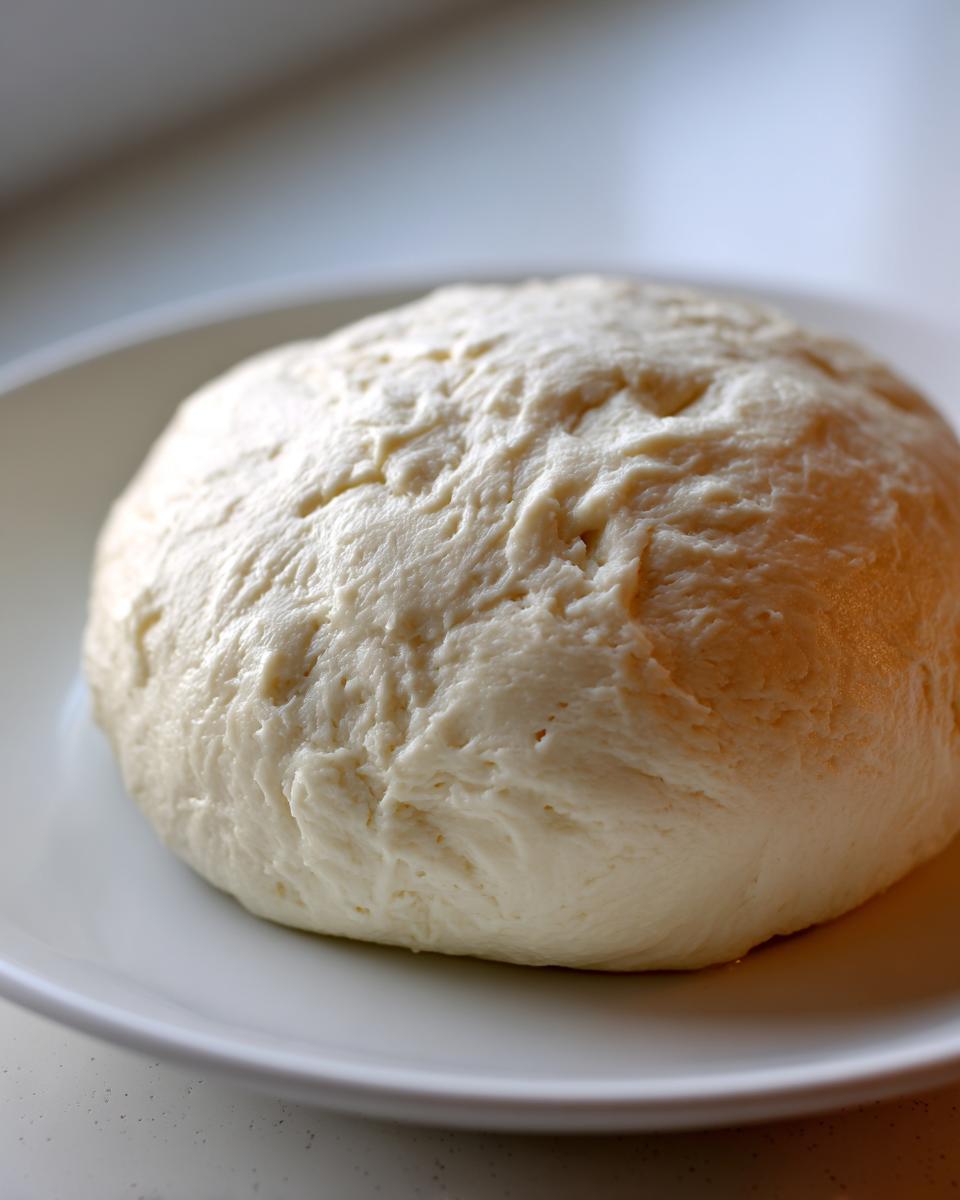
Achieving the Perfect Stretchy Dough Recipe Consistency
This mixing and folding part is the whole secret to non-lumpy, perfect fufu. When I first tried this, I wasn’t putting my back into it, and honestly, I ended up with little white dough pebbles in my finished dish. Not cute! You must stir vigorously and fold the dough over itself constantly. This constant movement ensures every bit of flour gets cooked evenly and incorporates into the stretchy mass. It’s physically demanding, your arm might feel it, but it prevents those dreaded lumps from forming. Keep folding until the whole thing looks uniform and smooth. If it seems too stiff after you take it off the heat, just splash in a tiny bit of hot water and mix a bit more until it feels soft and pliable. That’s how you know you’ve nailed that signature texture!
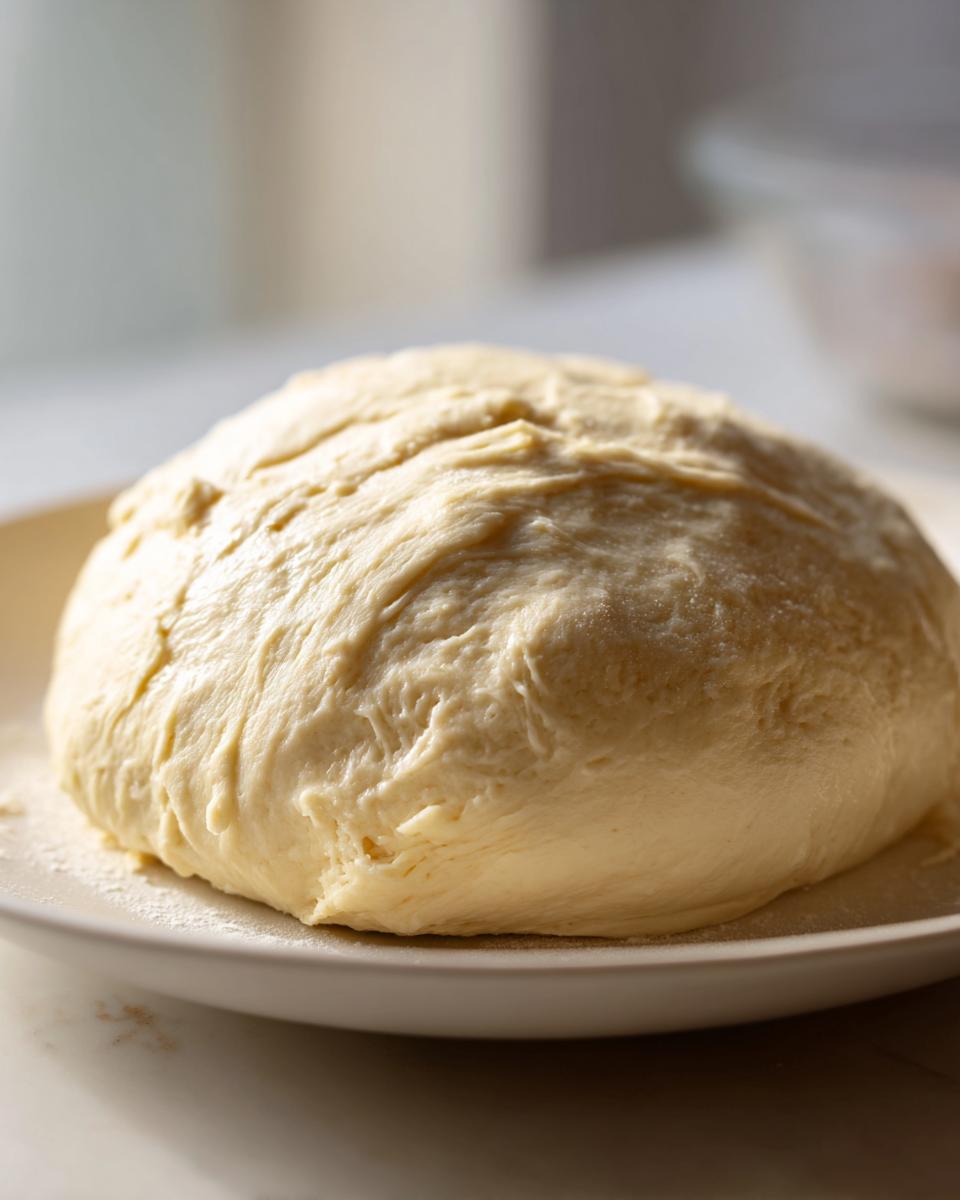
Tips for Success Making Your Plantain and yam fufu
You asked for tips, and I’ve got them! Cooking doesn’t always come down to the exact measurements; sometimes, it’s about the dance you do with the ingredients. For the best fufu, ditch the flimsy whisk. You absolutely must use a sturdy wooden spoon or, even better, a strong spatula. This dough gets heavy quickly, and trying to fight it with a weak tool is just going to frustrate you!
My biggest tip for technique refinement is twofold: first, use low heat once you add the slurry to the boiling water—we don’t want scorching! Second, when you’re stirring, make sure you are folding the bottom layers up and over the top instead of just stirring in a circle. This folding motion is what builds that amazing structure. If you’re looking for some easy weeknight recipes to practice your new kitchen skills on later, check out this list. And for an advanced look at technique, Chef Lola has some great insights, if you want to dive deeper into how she handles her fufu!
Serving Suggestions: The Best fufu Pairing Ideas
So you’ve made this incredible, smooth, and stretchy mound of fufu—now what? That’s the fun part! This fufu isn’t complete until it’s sitting next to something rich and flavorful that you can scoop up with it. This is a gorgeous, traditional African side dish meant to be paired!
You absolutely have to try it with classic West African favorites. It’s the ultimate Egusi soup companion; the texture of the fufu against the savory melon seed flavor is heavenly. It’s also fantastic with Okra soup—and if you ever want to try experimenting with a creamy green base, my creamy spinach soup offers a similar satisfying texture pairing, even though it’s not strictly West African.

Remember how you eat it: you pinch off a small piece of the warm fufu ball, usually with your fingers, form a small cup with it, and use that to scoop up your soup or stew. It’s truly the best way to enjoy this staple! If you want an award-winning, authentic flavor to go with your creation, check out this great Egusi recipe.
Storage and Reheating Instructions for Leftover fufu
Now, the best part about making a batch of fufu is that leftovers are almost better the next day! If you have any remaining fufu, wrap those little balls up tightly in plastic wrap, or just pop the main mass into an airtight container. It will keep well in the fridge for about three or four days. Don’t freeze it, though; these types of starchy staples just don’t respond well to the freezer!
When you’re ready to eat your leftovers, you do have to wake it back up a little. The texture gets a bit firm when cold, which is normal for this starchy staple recipe. Just put the portion you want into a microwave-safe bowl and add just a tiny splash—maybe a teaspoon—of hot water over the dough. Microwave it for about 30 seconds, then stir it vigorously. That extra bit of moisture brings back that soft, comforting texture you loved the first time!
Frequently Asked Questions About This Traditional African Side Dish
I know that when you’re trying a new dish, especially one as central to a culture as this, questions pop up! I put together answers to the things I hear most often about making this classic fufu dough. If you’ve tried this recipe, I hope you found it unlocked some amazing flavors for you! If you are getting ready to try it, I have another great comfort food recipe here, my dumpling recipe, that might be a fun next step for you!
Why does my fufu feel lumpy instead of smooth?
Oh, that’s the million-dollar question! Nine times out of ten, lumpiness happens because you didn’t stir vigorously enough in the beginning when you added the slurry to the boiling water. The key to that beautiful, signature texture in this West African cuisine staple is constant, hard stirring right from the moment you combine them. You have to fold the dough over and over until it’s completely uniform.
Can I use other flours besides cassava and plantain?
While this recipe is designed around cassava and plantain for authenticity, many people use yam flour or even corn flour to make their version of this starchy staple recipe. The main thing to remember is that the flour you choose dictates the final texture. Cassava and plantain give you that specific elasticity. If you substitute, be prepared for a slightly different mouthfeel! For ideas on cultural staples from other places, this cultural guide I found online is a great read.
Is fufu traditionally served during cultural celebrations like Kwanzaa?
It absolutely is! Fufu is a centerpiece in many homes, whether it’s a regular Tuesday night dinner or a special occasion. Because it’s such a foundational part of West African heritage, it often shows up at large traditional gatherings and celebrations, including ways to honor heritage during events like Kwanzaa. It’s such a simple yet profoundly meaningful dish, serving as a beautiful connection to tradition.
Can a beginner really make authentic fufu successfully?
Yes, yes, and yes! That’s why I wrote this as an easy fufu recipe for beginners! The biggest hurdle is the mixing stage—it takes more effort than you think, and you might feel like you’re making glue, not food. But stick with it, keep stirring until the dough pulls away from the pot, and you’ll have that amazing, scoopable dough that pairs perfectly with your favorite stews.

Estimated Nutritional Data for This Gluten Free African Recipe Staple
When we talk about this amazing fufu, we’re talking about clean, hearty fuel. Because this is a Gluten Free African recipe staple made from root flours, it’s naturally low in fat and super satisfying! Remember, these numbers are based on the recipe provided and will vary depending on exactly what brands of cassava and plantain flour you grab. But generally, expect a serving to come in around 180 calories.
- Serving Size: 1 ball
- Calories: 180
- Fat: 0.2g
- Carbohydrates: 40g
Since this recipe is all about simple ingredients, it keeps the sugar and cholesterol way down, which is a win in my book! If you’re looking for more quick, balanced meals, check out my favorite healthy snack ideas for those in-between moments.
Share Your Homemade fufu Experience
Now that you’ve mastered this fufu, I am dying to hear about it! Did you pair it with Egusi or maybe an Okra stew? Please, come back here and leave a rating and a comment below telling me how your first batch turned out—especially if you nailed that perfect stretchiness!
I love seeing your creations! Tag me on social media if you share photos. It truly makes my day to know that these simple techniques are helping you build confidence in the kitchen. If you need to reach out for any reason, you can always find my contact info right here!
PrintEasy West African Fufu Recipe for Beginners (Cassava and Plantain)

Learn how to make soft, smooth, and stretchy West African Fufu at home using this simple recipe combining cassava and plantain. This staple side dish pairs well with your favorite soups and stews.
- Prep Time: 10 min
- Cook Time: 15 min
- Total Time: 25 min
- Yield: 4 servings 1x
- Category: Side Dish
- Method: Boiling and Mixing
- Cuisine: West African
- Diet: Gluten Free
Ingredients
- 1 cup Cassava Flour (or finely grated Cassava)
- 1 cup Plantain Flour (or finely grated Plantain)
- 3 cups Water (plus more for boiling)
- 1/2 teaspoon Salt (optional)
Instructions
- Combine the cassava flour and plantain flour in a medium bowl.
- Slowly add 1 cup of cold water to the flour mixture, stirring until you form a smooth, thick paste without lumps. This is your slurry.
- Bring the remaining 2 cups of water to a boil in a medium saucepan. Add salt, if using.
- Reduce the heat to medium-low once the water is boiling.
- Pour the flour slurry into the boiling water while stirring constantly with a wooden spoon or sturdy spatula.
- Continue stirring vigorously. The mixture will start to thicken rapidly and pull away from the sides of the pot, forming a stiff dough. This process requires effort.
- Cook for about 5 to 7 minutes, stirring and folding the dough constantly to ensure it cooks evenly and achieves a smooth, uniform texture.
- Remove from heat. If the fufu seems too stiff, add a tablespoon of hot water at a time and continue mixing until you reach your desired soft, stretchy consistency.
- Shape the warm fufu dough into small, smooth balls using a lightly oiled spoon or your hands.
- Serve immediately with Egusi soup, Okra soup, or your preferred West African stew.
Notes
- For a pure cassava fufu, substitute all plantain flour with cassava flour.
- If using fresh cassava or plantain, you must boil and mash them until very smooth before incorporating the dry flour for the final dough stage.
- Stirring vigorously is key to achieving the signature smooth, non-lumpy texture of authentic fufu.
Nutrition
- Serving Size: 1 ball
- Calories: 180
- Sugar: 0.5
- Sodium: 15
- Fat: 0.2
- Saturated Fat: 0.1
- Unsaturated Fat: 0.1
- Trans Fat: 0
- Carbohydrates: 40
- Fiber: 2
- Protein: 2
- Cholesterol: 0