


Oh, there’s just nothing that says cozy quite like a bowl of rich, savory soup when the weather turns, right? Forget those watery, disappointing versions you might have tried before. Today, we’re going straight for the gold standard: an absolutely authentic, tomato-based maryland crab soup that tastes like you spent all day on the Chesapeake Bay shore! I learned quickly that recreating tradition doesn’t need to be stressful. I’ve tweaked and tested this recipe until I captured that true, smoky, spiced flavor you expect from the best spots. If you love traditional comfort dishes, you might also want to check out my recipe for classic vegetable beef soup. Trust me, this easy stovetop soup is going to become your go-to comfort food. You can read more about how deeply rooted these regional favorites are in places like traditional local recipes.
- Why This Authentic Maryland Crab Soup Recipe Works (EEAT Focus)
- Gathering Ingredients for Your Classic Crab Soup Recipe
- Step-by-Step Instructions for Homemade Crab Soup
- Tips for Success When Making maryland crab soup
- Serving Suggestions for this Chesapeake Bay Soup
- Storage and Reheating maryland crab soup
- Frequently Asked Questions about maryland crab soup
- Nutritional Information Estimate for maryland crab soup
- Share Your Homemade Crab Soup Experience
Why This Authentic Maryland Crab Soup Recipe Works (EEAT Focus)
Okay, so you want to know why *my* soup tastes like the real deal, right? It’s not just throwing stuff in a pot! When I first moved out here, I tried making soup that was just watery broth with some crab dumped on top. Nope. This maryland crab soup is special because we nail three things: the base, the spices, and the crab quality. Forget those recipes that try to pass off clear broth as authentic; we need that rich, savory tomato base to carry all the flavor.
We layer the flavors so that every spoonful of this hearty seafood soup is packed with taste. For more inspiration on rich, savory dishes, you should peek at my French Onion Soup recipe. We’re building something truly special here, much like the classics you find at top-rated spots.

Achieving the Perfect Chesapeake Bay Flavor with Old Bay Seasoning Soup
Here’s the secret locals know: Old Bay is non-negotiable. You can play with the celery or the broth substitution, but you can’t fake the signature taste! In this recipe, I sneak some of the Old Bay seasoning soup right into the sauté stage with the veggies, not just at the end. This lets those complex spices bloom in the fat before we add the liquid. It makes a huge difference in infusion!
Selecting the Best Lump Crab Meat Soup
Listen to me: if you’re making this for friends or family, please don’t skimp on the crab. We must use quality lump crab meat. Claw meat is fine for boiling or other things, but for soup, you want those big, sweet chunks. Before they go in—and this is my personal tip—I always spread the meat gently on a plate and use my fingers to pick through it one last time. You’d be surprised how often a tiny shell piece hides in that gorgeous lump crab meat soup!
Gathering Ingredients for Your Classic Crab Soup Recipe
Alright, let’s hit the grocery store! Remember, the quality of what you put in is what you get out—especially with something as traditional as this. I’ve learned that having everything chopped and measured before I even turn on the stove makes the cooking process completely stress-free. If you need a jump start on prepping your veggies fast, check out my guide on quick stovetop apple pie filling prep—the logic is the same!
We are relying on fresh produce for structure and flavor here, which is what makes this feel like a real homemade meal.
Vegetable Base and Broth Components
This part is your mirepoix, beefed up for the coast! These veggies need to be small enough to get tender while they simmer, but not so tiny they dissolve before the potatoes are done. I always prefer to chop everything myself right before starting.
- One medium yellow onion, chopped nicely.
- Two celery stalks, diced up small.
- One green bell pepper—don’t skip this, it adds that classic vegetal note!
- Two cloves of garlic, minced—please use fresh, not the jarred stuff!
- Your dried spices: a teaspoon of thyme, a teaspoon of oregano, fresh black pepper, and a pinch of cayenne for depth.
- We need the thickener: about a quarter cup of all-purpose flour.
- For the body: one 28-ounce can of crushed tomatoes and six cups of low-sodium vegetable broth. You can swap one cup of that broth for clam juice if you want an even deeper, richer flavor profile.
- And for that essential Maryland flavor, reserve 2 tablespoons of Old Bay Seasoning Soup mix for the base addition.
The Star: Lump Crab Meat Soup Ingredients
This is where we celebrate! Since this is the star, make sure your crab meat is good. We need something that stands up to that savory broth.
- Half a pound of lump crab meat. Remember to check it carefully for any shell fragments before it touches the pot!
- We need some starch to bulk it up, so grab about a cup of diced potatoes—I usually use Yukon Golds because they hold their shape pretty well.
- A cup of frozen corn kernels—I love the pop of sweetness they add near the end.
- Finally, about a tablespoon of Worcestershire sauce and a good squeeze of fresh lemon juice to brighten everything up at the finish.
Step-by-Step Instructions for Homemade Crab Soup
Okay, time to get this amazing maryland crab soup on the stove! Cooking this is really just a fantastic progression of easy steps. You don’t need to be a whiz in the kitchen to pull this off; you just need to follow the layering. If you’re looking for more easy one-pot meals to master, check out my one-pot chicken and rice recipe for inspiration!
Sautéing the Mirepoix and Building the Base for maryland crab soup
First things first, heat that olive oil in your big pot over medium heat. Get your onions, celery, and green pepper in there until they start looking soft, maybe about five to seven minutes. Don’t rush! Now, toss in the garlic, thyme, oregano, pepper, and cayenne. Stir that for just a minute until you can really smell the spices waking up. This is important: sprinkle in your flour now and stir constantly for a full minute. Yep, one whole minute! We’re cooking out that raw flour taste so our soup base is smooth, not grainy.
Simmering the Vegetables in the Tomato Based Crab Soup
Time to make it soup! Slowly whisk in those crushed tomatoes and the vegetable broth—whisking keeps it smooth. In go the bay leaf, Worcestershire, lemon juice, and those 2 tablespoons of Old Bay. Now, drop in the diced potatoes. Turn up the heat until it boils, then drop it right down to a gentle simmer. Cover it up and let it hang out for about 15 minutes. You’re looking for those potatoes to be fork-tender. That’s when you know the broth has officially married all those veggies together.

Gently Finishing the maryland crab soup with Crab Meat
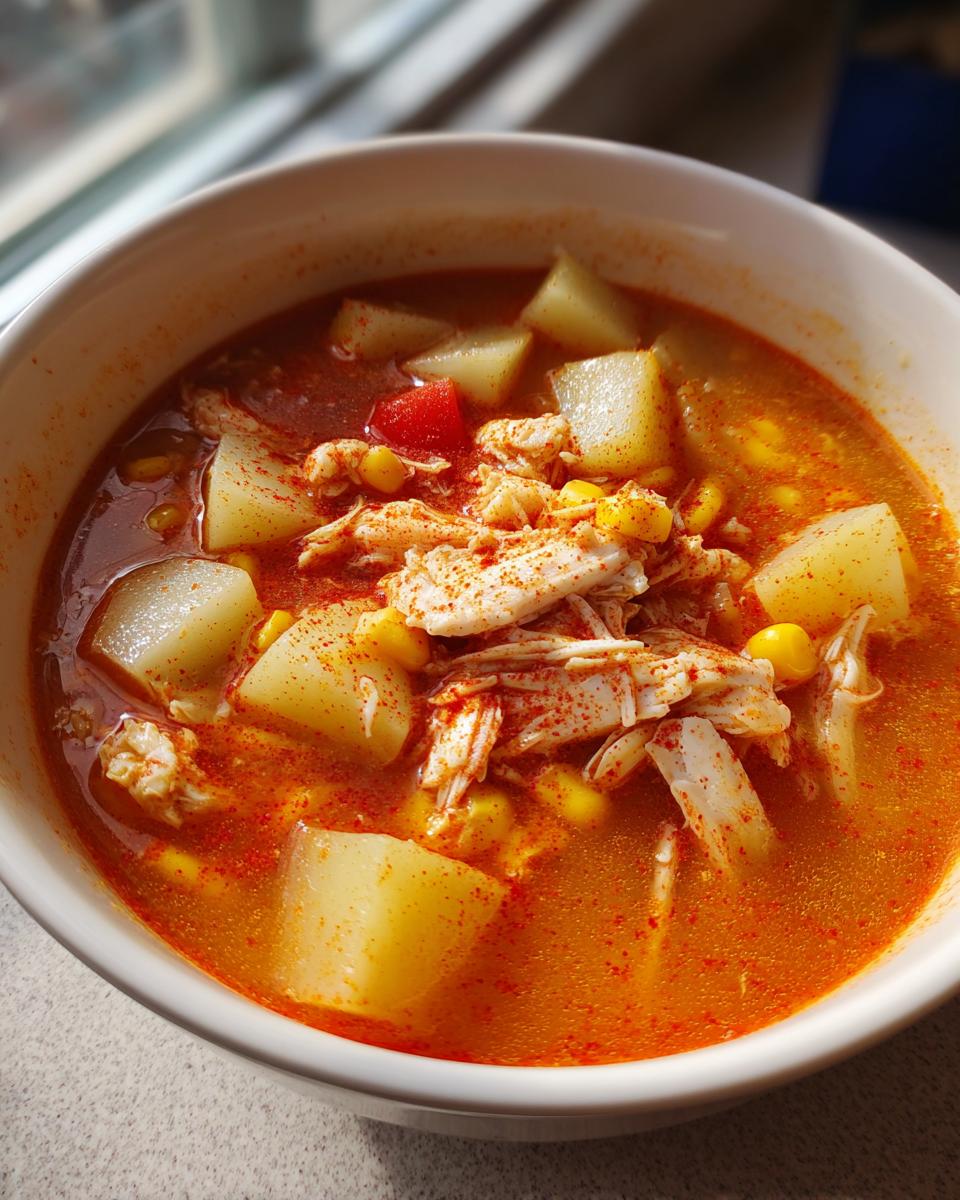
Take that bay leaf out—we don’t need that anymore! Stir in your frozen corn and let it cook for another five minutes until it’s nice and hot. Now for the moment of truth: gently fold in that glorious lump crab meat. I mean gently! Remember, we aren’t stirring vigorously. We just want it heated through, which takes maybe two minutes. If you boil it now, you’ll toughen up that beautiful crab. Once it’s hot, taste it, add salt if you think it needs it, and throw an extra shake of Old Bay on top before serving. It’s ready! You can find great technique tips over at Sophia’s Touch!
Tips for Success When Making maryland crab soup
Even though this is a straightforward stovetop recipe, those little tricks I picked up—the ones that make the difference between good and truly outstanding—are what I want to share with you now. We want this hearty seafood soup to be perfectly textured and rich in flavor every single time you make it. A little intuition goes a long way in the kitchen, even with a tried-and-true recipe!
If you’re looking for other ways to boost simple recipes, you might enjoy reading about how I make my creamy spiced holiday drinks. For more great ideas focused on flavor, regional cooks have great insights too!

Adjusting Thickness in Your Hearty Seafood Soup
Sometimes, even with the flour, you might want your maryland crab soup to be just a tad thicker than a standard broth, especially if you’re serving it as a main course. Here’s my easy fix: once the potatoes are nice and soft near the end of the simmer time, take a sturdy spoon or a potato masher and gently press just a few of those cooked potatoes right against the side of the pot. You don’t need to mash them all up—just a little bit of starch released will naturally thicken the broth beautifully without making it heavy like a chowder. It’s just enough body to hold onto all those great vegetable bits!
Serving Suggestions for this Chesapeake Bay Soup
So, you’ve got this incredible, piping hot bowl of maryland crab soup in front of you. What do you serve alongside it? Since this is a beautifully savory, brothy coastal dinner recipe, you don’t want anything too heavy stealing the show. We want accompaniments that let the crab and Old Bay sing!
In my experience, the best thing to pair with this kind of soup is usually crunchy or soft bread for dipping. Back home, we always had simple saltines on the table. It sounds basic, I know, but crumbling a few saltines right into the soup adds a fantastic texture contrast and helps soak up every last drop of that tomato-based broth. It’s traditional for a reason!
If you’re feeling like making something a little more special than plain crackers, try serving it with thick slices of crusty sourdough or French bread on the side. They’re perfect for dipping and wiping the bowl clean. If you love making fun, savory items to go with dinner, you might enjoy trying out my recipe for easy homemade pretzel dogs—though maybe skip the mustard dip if you’re already heavy on the savory spices!
For a truly filling meal, the soup stands beautifully on its own, but a side salad with a light vinaigrette can offer a nice, fresh counterpoint to all that richness. Honestly, though, my favorite way to serve this Chesapeake Bay soup is just in a big bowl, maybe with a tiny dash more lemon juice right before serving, and nothing else but a fork!
Storage and Reheating maryland crab soup
Even though this maryland crab soup is best right off the stove, leftovers are honestly incredible the next day. The flavors just deepen overnight! You can absolutely keep this in an airtight container in the fridge for three to four days. I like to make a big batch knowing I have lunch covered for a few days!
Now, when you reheat it, please pay attention here: you want the lowest heat possible. A gentle simmer is fine, but never let it return to a rolling boil once that crab meat is in there. High heat will make those sweet lumps tough, and we want tender crab, not rubber bands! If you’re warming up a single serving, just use a small saucepan on low. For more great make-ahead food advice, check out how I handle prep for my caramel recipes.
If you need to store it longer, freeze it *before* adding the crab meat! You can freeze the vegetable base for up to three months. Thaw it, reheat it gently, and then fold in fresh crab meat when you’re ready to eat. It makes for a fantastic fresh meal later. You can see how other folks handle leftovers at Cooked by Maya!
Frequently Asked Questions about maryland crab soup
I always get so many questions when folks try making a Classic Crab Soup Recipe for the first time! It’s totally normal—you want to make sure you honor the tradition. We want big, savory flavor, not guesswork. If you’re looking for other simple ways to upgrade your soup game, you absolutely have to try my recipe for creamy zucchini soup—it’s surprisingly easy!
Can I make this maryland crab soup without tomatoes for a clear broth?
That’s a great question! You certainly *can* make a clear broth version, often called Baltimore Crab Soup, but that’s a different animal entirely. This recipe, which I promise is the Best Maryland Soup, relies heavily on the tangy richness of the crushed tomatoes. If you skip them, you end up with a much lighter, almost bouillon-style broth. If you prefer the clear version, you’ll replace the tomatoes and use all broth, but you’ll miss out on that classic, deep red color and hearty mouthfeel we’re aiming for here.
What is the best way to substitute Old Bay Seasoning Soup spice?
Honestly? Don’t substitute it if you can avoid it! The Old Bay Seasoning Soup spice blend is what locks in the Authentic Maryland Crab Soup flavor, and no other blend truly captures that unique mix of celery salt, pepper, and other secret spices. If you are absolutely stuck—say, you’re in the middle of nowhere and can’t get to a store—you could *try* mixing a blend of celery salt, paprika, and a touch of mustard powder. BUT, I’m warning you, it won’t taste the same. It’s a last-resort fix for your Savory Brothy Soup!
Is this recipe suitable for Crab Soup for Beginners?
Yes, absolutely! This is precisely why I developed it this way. It’s a From Scratch Crab Soup that keeps the steps simple and direct. We’re using straightforward sautéing, a basic flour thickener, and a long simmer for the vegetables. Since it’s a mostly one-pot wonder, the cleanup is minimal, and the stovetop method is very intuitive. If you can chop vegetables and keep an eye on the pot, you can nail this Crab Soup for Beginners, I promise!
Nutritional Information Estimate for maryland crab soup
Now, I know some of you are watching the macros while you enjoy your comfort food, and I totally get that! When I was trying to balance my busy life, keeping track of what went into my meals was huge. Remember, anything homemade is going to vary a little bit depending on exactly what brand of broth you grab or how heavy your hand is with the Worcestershire sauce, but this gives you a great ballpark idea for your maryland crab soup.
For reference, these numbers are an estimate based on the recipe yielding six good-sized bowls. If you’re looking for more ways to sneak good nutrition into your day, you might want to check out my guide on healthy breakfast ideas! We’re all about knowing what we’re eating here at Food Dexterity.
- Serving Size: About 1.5 cups
- Calories: Around 210
- Protein: 15 grams (That’s thanks to that lovely lump crab meat!)
- Fat: Only about 6 grams
- Carbohydrates: 25 grams
- Fiber: 4 grams
- Sodium: Hits about 550mg (This is why I always stress low-sodium broth!)
Because we are using fresh vegetables and quality broth, this makes for a wonderfully vegetable rich soup that fills you up without weighing you down. Enjoy every savory, brothy spoonful!
Share Your Homemade Crab Soup Experience
And that’s it! You’ve officially made an amazing, authentic maryland crab soup that rivals any seaside shack. Now, the best part of my job—and what really matters to me here at Food Dexterity—is hearing from you! A recipe only truly comes alive when it’s made in different kitchens, and I need to know how this one turned out for you.
Did you use clam juice instead of just broth? Did you try mashing those potatoes against the side to thicken it up? Don’t keep those wins secret! Please hop down to the comments and let me know what you thought. Rating the recipe is super helpful for other home cooks looking for a reliable Comforting Soup Recipe, too.
If you snapped a photo of your steaming bowl—especially with that dusting of Old Bay on top—I’d love for you to tag me on social media! Seeing your creations truly makes my day and reminds me why we keep sharing these hands-on skills. If you need to reach out directly with a question about technique, you can always use the contact form.
I’ve seen so many fantastic results from folks trying this favorite—check out the delicious-looking version shared by other dedicated cooks! Go ahead, get cooking, and then come back and tell me all about your Seafood Soup success!
PrintAuthentic Maryland Crab Soup

Make a classic, tomato-based Maryland Crab Soup featuring lump crab meat and Old Bay seasoning. This hearty soup brings Chesapeake Bay flavor to your table.
- Prep Time: 15 min
- Cook Time: 35 min
- Total Time: 50 min
- Yield: 6 servings 1x
- Category: Soup
- Method: Stovetop
- Cuisine: American
- Diet: Vegetarian
Ingredients
- 1 tablespoon olive oil
- 1 medium yellow onion, chopped
- 2 celery stalks, chopped
- 1 green bell pepper, chopped
- 2 cloves garlic, minced
- 1 teaspoon dried thyme
- 1 teaspoon dried oregano
- 1/2 teaspoon black pepper
- 1/4 teaspoon cayenne pepper
- 1/4 cup all-purpose flour
- 1 (28 ounce) can crushed tomatoes
- 6 cups low sodium vegetable broth
- 1 bay leaf
- 2 tablespoons Worcestershire sauce
- 1 tablespoon lemon juice
- 2 tablespoons Old Bay Seasoning, plus more for garnish
- 1 cup diced potatoes (Yukon Gold or Russet)
- 1 cup frozen corn kernels
- 1/2 pound lump crab meat, picked over for shells
- Salt to taste
Instructions
- Heat the olive oil in a large pot or Dutch oven over medium heat. Add the chopped onion, celery, and green pepper. Cook until the vegetables soften, about 5 to 7 minutes.
- Add the minced garlic, thyme, oregano, black pepper, and cayenne pepper. Cook for 1 minute until fragrant.
- Sprinkle the flour over the vegetables and stir constantly for 1 minute to cook out the raw flour taste.
- Gradually whisk in the crushed tomatoes and vegetable broth until smooth. Add the bay leaf, Worcestershire sauce, lemon juice, and 2 tablespoons of Old Bay Seasoning.
- Add the diced potatoes to the pot. Bring the soup to a boil, then reduce the heat to low, cover, and simmer for 15 minutes, or until the potatoes are tender.
- Stir in the frozen corn kernels and cook for another 5 minutes. Remove and discard the bay leaf.
- Gently fold in the lump crab meat. Heat through for about 2 minutes; do not boil after adding the crab meat.
- Taste the soup and add salt if needed. Serve hot, garnished with extra Old Bay Seasoning.
Notes
- For a richer flavor, you can substitute 1 cup of the vegetable broth with clam juice.
- If you prefer a thicker soup, mash a few of the cooked potatoes against the side of the pot before adding the crab meat.
- Use high-quality lump crab meat for the best texture and flavor in this classic crab soup recipe.
Nutrition
- Serving Size: 1.5 cups
- Calories: 210
- Sugar: 8
- Sodium: 550
- Fat: 6
- Saturated Fat: 1
- Unsaturated Fat: 5
- Trans Fat: 0
- Carbohydrates: 25
- Fiber: 4
- Protein: 15
- Cholesterol: 55