

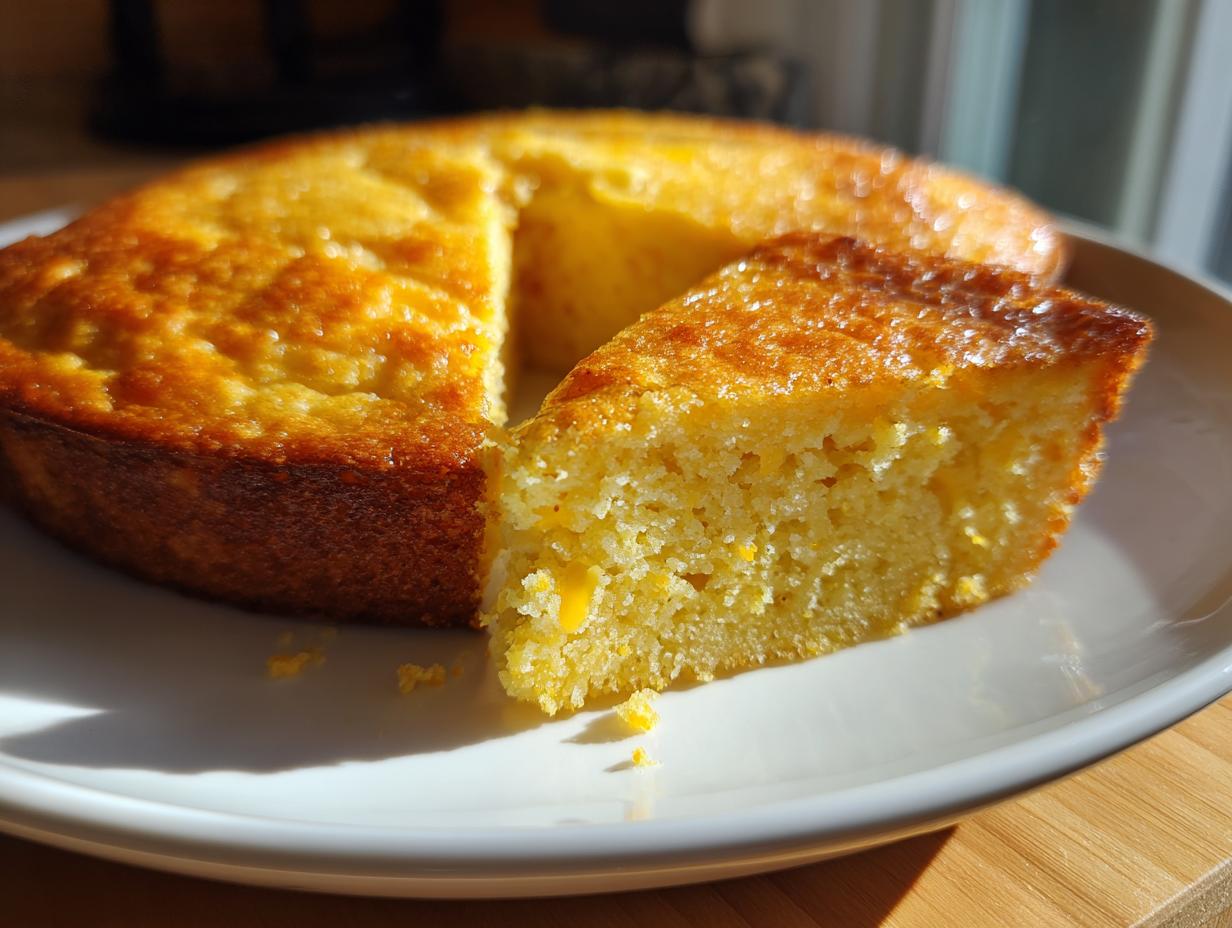
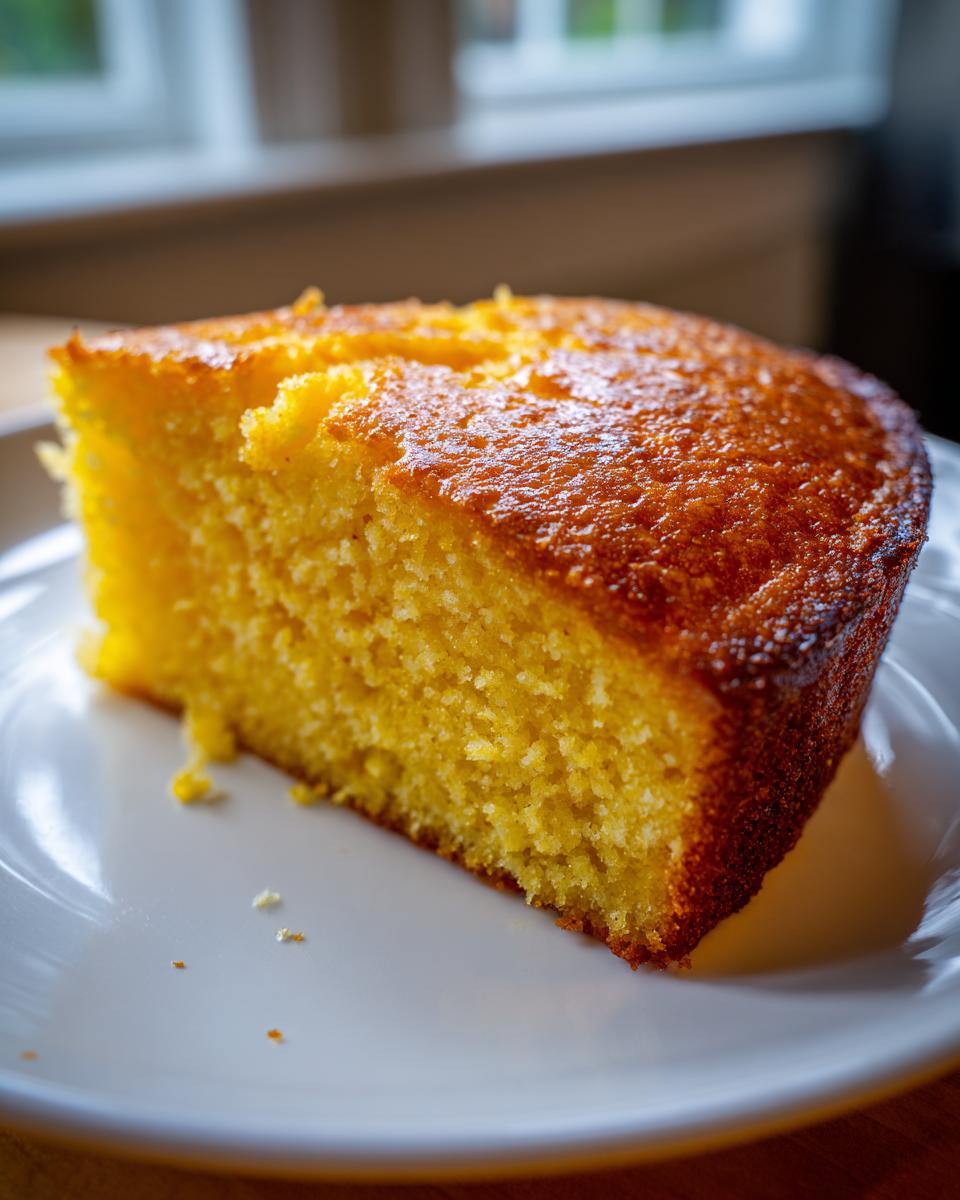
There are few things that smell more like home than something sputtering happily in a cast-iron skillet. For me, that sound always means comfort, and usually, it means this cornbread is coming out of the oven soon. I’m Charlotte—Charlie—and growing up in North Carolina, I learned early that the best sides aren’t just fillers; they’re stars in their own right. Forget dry, crumbly bread that you need a gallon of soup just to swallow! We are making skillet cornbread here, and my goal is simple: the most unbelievably moist interior you’ve ever tasted, paired with those beautiful, almost crackly golden edges. This is about giving you real Southern flavor without making you stress in the kitchen. Trust me, this technique is my specialty.
- Why This Moist Cornbread Recipe is Your New Go-To
- Ingredients for the Best Southern Style Cornbread
- How to Prepare Fluffy Cornbread in a Cast Iron Skillet
- Tips for Perfecting Your Homemade Cornbread
- Serving Suggestions for Classic Cornbread
- Storage and Reheating Your Cornbread
- Frequently Asked Questions About Making Cornbread
- Nutritional Estimates for This Cornbread Recipe
- Share Your Baking Success with This Cornbread
Why This Moist Cornbread Recipe is Your New Go-To
If you’re tired of dry, crumbly sides, then you’ve found the right place. This cornbread hits every note the South demands: it’s undeniably moist, slightly sweet, and baked perfectly in a cast iron skillet. It’s the perfect companion for everything from weeknight soup to holiday barbecue. I’ve streamlined the old-school methods so you have zero fuss!
- It bakes in under 30 minutes total—that’s true quick bread magic.
- You get that satisfying snap of a crispy crust without any extra work.
- It’s fantastic alongside chili, like my easy black bean chili recipe!
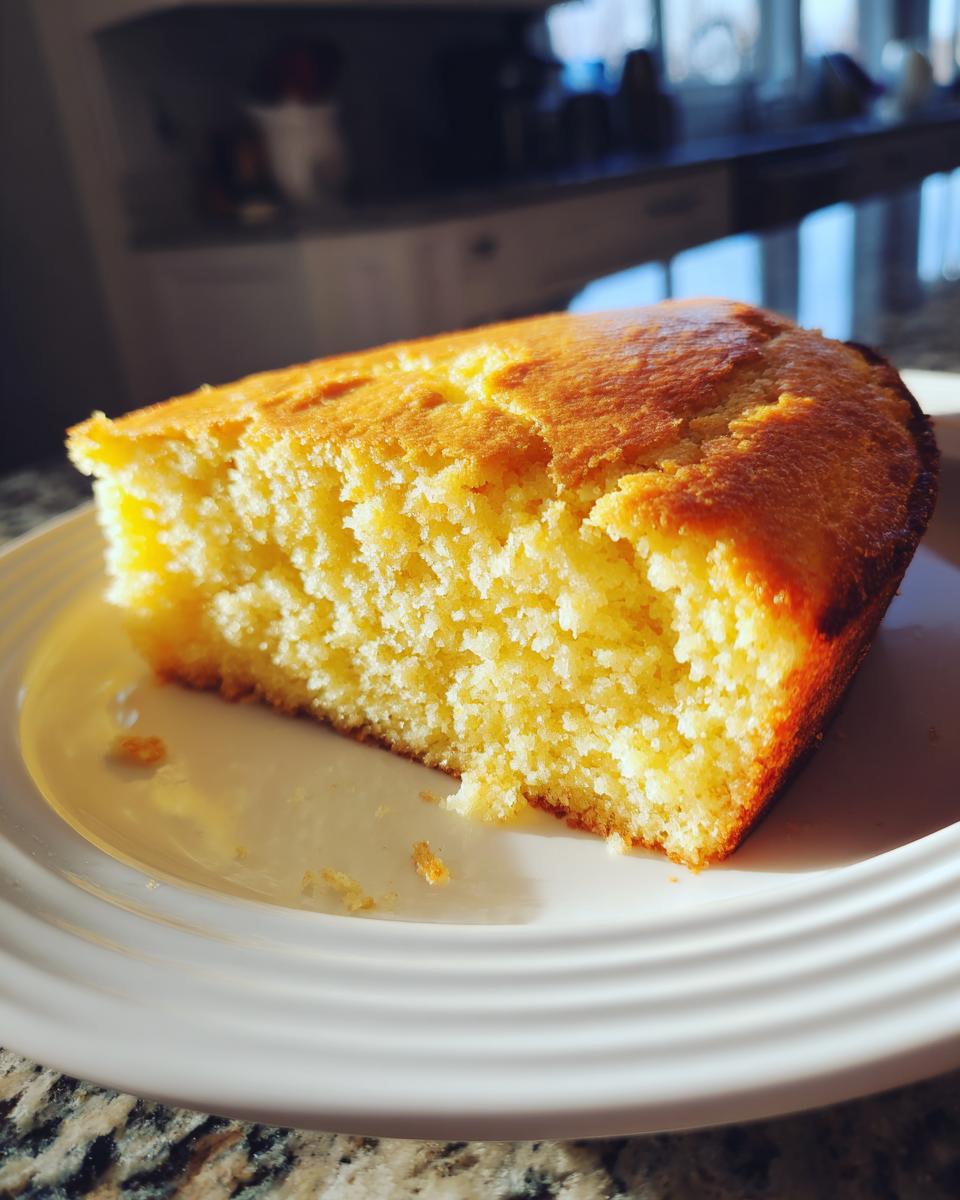
Achieving the Perfect Tender Crumb
The entire secret to avoiding that cakey texture lies in two things: buttermilk and a light hand. Buttermilk is acidic, and when it hits the baking soda, it creates the softest lift. But you must treat that batter gently! If you whip it around like you’re making a layer cake, you develop gluten, and suddenly you have a tough, chewy disaster on your hands. Just fold it until it looks uniform, and stop. That little bit of lumpiness is your friend.
The Secret to Golden Edges: Skillet Cornbread
This step is non-negotiable if you want bakery-quality results at home. We preheat the cast iron skillet right along with the oven. When that smoking hot metal meets that cold batter, the magic happens instantly on the bottom and sides. That sizzle locks in moisture and instantly creates that coveted crispy, golden crust you expect from great cornbread.
Ingredients for the Best Southern Style Cornbread
Okay, let’s talk about the lineup. This is a super simple ingredient list, but trust me, grabbing the right things matters for the ultimate moist cornbread. We need the cornmeal, flour, leaveners, salt, eggs, and that essential buttermilk—buttermilk is key for the tenderness, so don’t skip it if you can help it!
Here’s what you need:
- 1 cup yellow cornmeal
- 1 cup all-purpose flour
- 1/4 cup granulated sugar (I like mine slightly sweet, but you can cut this back!)
- 1 tablespoon baking powder
- 1/2 teaspoon baking soda
- 1/2 teaspoon salt
- 1 cup buttermilk
- 1/2 cup unsalted butter, melted, plus extra for greasing the skillet
- 2 large eggs
- 1/4 cup honey (optional, but I usually add it for that beautiful moisture!)
Ingredient Notes and Substitutions
If you don’t have buttermilk hanging around—oops, it happens! You can DIY a substitute really fast. Just take one cup of regular whole milk and stir in one tablespoon of white vinegar or lemon juice. Let it sit on the counter for about five minutes until it curdles a little; that’s your buttermilk stand-in ready for action. Also, I always stick with yellow cornmeal. White cornmeal tends to make things feel a little more delicate, and I want this bread to have some backbone to stand up to hearty meals.
How to Prepare Fluffy Cornbread in a Cast Iron Skillet
Getting that perfect, fluffy bake with a crackly edge on your cornbread is mostly about timing and heat. I lay out the steps simply because when you’re dealing with cast iron, a few minutes here or there makes a huge difference in the final texture. Follow these closely, and you’ll see why this skillet method is the only way to go. It moves fast, so read ahead before you start mixing!
- First thing’s first—get that oven up to 400 degrees Fahrenheit. While it’s heating up, go ahead and pop your 10-inch cast iron skillet inside so it gets completely screaming hot.
- In your big bowl, whisk your dry stuff together: the cornmeal, flour, sugar, baking powder, baking soda, and salt. Just a quick swirl to combine.
- In a smaller bowl, mix your wet stuff: the buttermilk, the two eggs, your melted butter, and that optional honey if you added it. Whisk until it looks connected.
- Pour the wet mixture into the dry. Now, this is important: stir it with a spatula only until you don’t see streaks of flour anymore. Seriously, stop mixing!
- Carefully, using really good oven mitts, pull out that hot skillet. Drop two tablespoons of butter right into the center and watch it sizzle. Swirl it around fast to coat everything—bottom, sides, the works!
- Pour your batter right into that sizzling fat. It should make a nice sound immediately.
- Back into the oven it goes for about 20 to 25 minutes until it sets up beautifully and looks golden on top. A toothpick test confirms everything is cooked through.
Preheating the Skillet for Crispy Cornbread
I can’t stress this enough: the skillet needs to be blazing hot when the batter hits it. This isn’t just to warm the pan; it’s a cooking technique! That initial shock of heat hitting the fat creates a waterproof layer that prevents sticking and immediately starts caramelizing the bottom edges. If you skip heating the skillet while the oven preheats, you miss out on that crucial, shatteringly crisp crust we are chasing. I rarely use anything but cast iron for this, but if you’re looking for dips that go well with it, check out my recipe for easy homemade blue cheese dip—it’s tangy and cuts the richness.
Mixing the Batter for a Tender Crumb
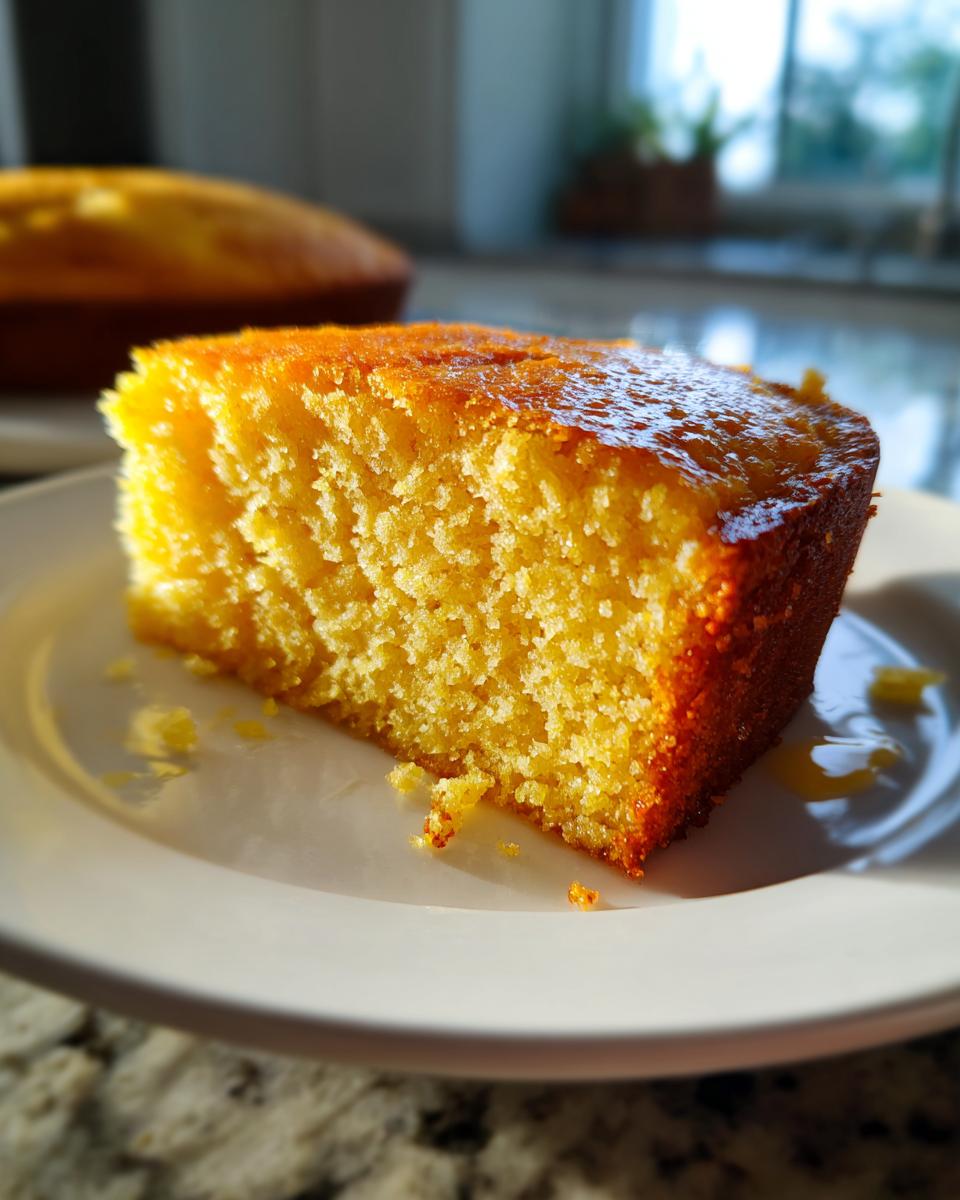
Remember what I said about not overmixing? When you combine your wet and dry mixtures, you want to mix just until everything looks *mostly* incorporated. If you keep beating that batter, you’re activating the gluten in the flour, which is what you usually want for chewy cookies or stretchy bread dough, but it’s the enemy here. For this quick bread, we want a very delicate, light structure, and too much mixing guarantees heavy, dense results instead of that beautiful Tender Crumb Baking texture.
Tips for Perfecting Your Homemade Cornbread
Honestly, once you nail the hot skillet technique, the rest of this cornbread recipe is smooth sailing. But I have one little secret that I always use, especially when I’m serving it alongside something really savory, like smoky BBQ. It’s about that sweetness balance.
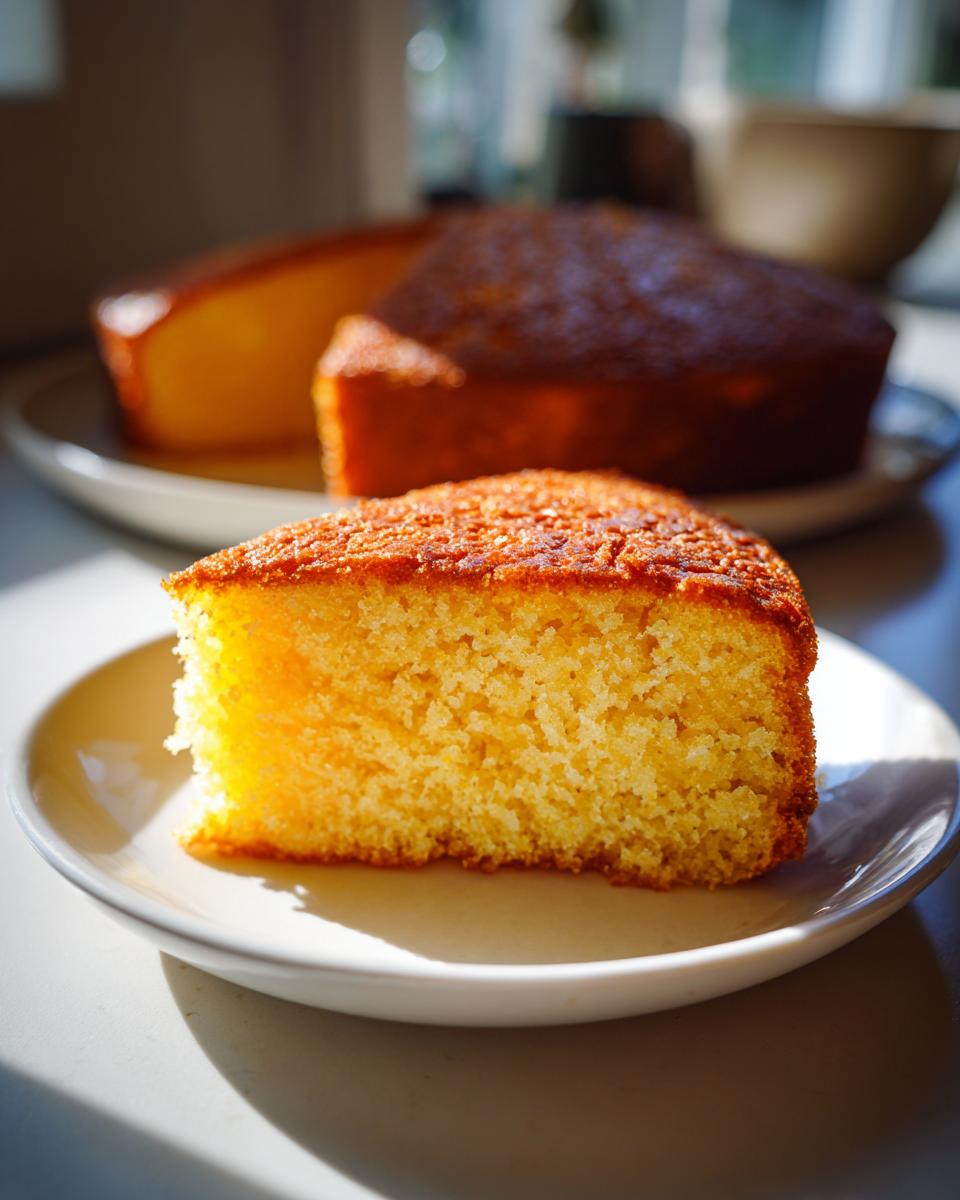
My personal touch? Once the cornbread is fully baked and cooling slightly in the skillet, I brush the top lightly with melted honey butter—just a tablespoon of melted butter stirred with a teaspoon of honey. It adds this incredible, faint sweetness to the crust that doesn’t penetrate the crumb, so you still get that authentic savory quality, but the top shines beautifully. It’s a small step that elevates the entire experience.
If you are looking for other amazing sides to pair with this bread, I highly recommend trying my recipe for easy homemade teriyaki sauce if you’re doing chicken or pork!
Also, if you want to read about an expert who really gets the crisp edge right, you might want to check out the advice over at Tasty Tipster’s take on authentic Southern skillet preparation. It’s always good to see how others approach traditional baking!
Serving Suggestions for Classic Cornbread
This buttery baked side is so versatile, but personally, I love it most when it’s soaking up the savory goodness from another main dish. It’s the ultimate side dish for chili, like the cozy one I make in my slow cooker that you can find here! It’s also non-negotiable at any barbecue spread; that slight sweetness cuts through rich, smoky meats perfectly.
If you’re making a big batch for the holidays, this bread stands up beautifully next to soups, stews, or even just piled high with butter and honey. It’s just good, honest comfort food baking ready for anything warm and savory you put in front of it.
Storage and Reheating Your Cornbread
The great news about this cornbread is that it stays incredibly moist for days, thanks to all that buttermilk and melted butter. If you have leftovers—which rarely happens in my house, but let’s pretend!—you should store it loosely wrapped at room temperature for up to three days. Don’t seal it up airtight right away, or it will steam itself into sogginess.
When it’s time to reheat, skip the microwave if you can! That’s a recipe for a rubbery finish. Instead, I pop a slice right back into a skillet over medium-low heat for just a couple of minutes, or wrap it loosely in foil and warm it in a 300-degree oven until it’s hot through. That quick moment in the heat restores that wonderful golden crust. If you’re done with your bread, maybe you can try that blue cheese dip recipe while you wait!
Frequently Asked Questions About Making Cornbread
Baking is science, but sometimes the questions feel bigger than the recipe card! I get asked all the time about fixing common issues when people try their hand at homemade cornbread. Here are a few things I’ve learned over the years that might save you a headache.
Why does my cornbread turn out cakey instead of tender?
This is almost always caused by overmixing! When you combine all the wet ingredients with the dry ones, you only need to mix until everything is just incorporated. If you beat it vigorously, you develop gluten in the flour. That’s what you want for fluffy yeast rolls, but not here. We are aiming for a soft, buttery texture, so stop stirring the second you don’t see dry pockets of flour.
Can I make this Southern Style Cornbread without buttermilk?
You absolutely can, sweetie, though I strongly recommend using it if you can find it! If you’re out, just whip up my quick substitution. Take one measuring cup of regular milk—whole milk is best—and stir in a tablespoon of white vinegar or lemon juice. Let that sit on the counter for five minutes until it looks slightly curdled. That acidic reaction creates the lift we need for a truly moist result, keeping your final product from being too dense.
Is there a way to make this bread less sweet?
This is a classic Southern debate, right? Some folks like it sweet like a cake, and others want it purely savory. If you prefer savory, just cut the granulated sugar down to one small tablespoon, or skip the optional honey entirely. That way, you still get the beautiful golden color, but the final flavor is perfect for pairing with savory dips, like that easy homemade blue cheese dip I love!
Why does the recipe call for melting the butter?
Melting the butter is crucial to achieving that crispy crust specific to skillet baking. When you pour that hot, melted fat into the cold batter and then immediately into a scorching-hot skillet, it flash-fries the edges, creating a barrier that traps moisture inside. It’s the oldest trick in the book for legendary texture!
Nutritional Estimates for This Cornbread Recipe
Now, listen, I am a cook, not a nutritionist, so take these numbers with a grain of salt—or maybe a few pinches of cornmeal! These estimates are based on the recipe ingredients listed above, assuming you use the optional honey. Things like the exact brand of buttermilk or how much butter you use to grease that skillet can change things up a bit, so treat this as a general guide for this buttery baked side.
- Serving Size: 1 wedge
- Calories: 280
- Fat: 14g
- Carbohydrates: 33g
- Protein: 5g
- Sugar: 10g
Share Your Baking Success with This Cornbread
I really hope this skillet cornbread makes your table feel as warm and connected as it does mine. Once you try it, I’d be thrilled if you came back, gave the recipe a rating (five stars if it earned them!), and let me know in the comments how you ate it!
Did you serve it with chili? Did you add extra honey? I love hearing your kitchen stories over at my contact page!
PrintMoist Southern Skillet Cornbread Recipe
Make this easy homemade cornbread in a cast iron skillet for a tender crumb and crispy golden edges. This Southern style recipe uses buttermilk for maximum moisture.
- Prep Time: 10 min
- Cook Time: 25 min
- Total Time: 35 min
- Yield: 8 servings 1x
- Category: Side Dish
- Method: Baking
- Cuisine: American Southern
- Diet: Vegetarian
Ingredients
- 1 cup yellow cornmeal
- 1 cup all-purpose flour
- 1/4 cup granulated sugar (adjust for sweetness preference)
- 1 tablespoon baking powder
- 1/2 teaspoon baking soda
- 1/2 teaspoon salt
- 1 cup buttermilk
- 1/2 cup unsalted butter, melted, plus extra for greasing the skillet
- 2 large eggs
- 1/4 cup honey (optional, for extra moisture and sweetness)
Instructions
- Preheat your oven to 400 degrees Fahrenheit. Place a 10-inch cast iron skillet in the oven while it preheats.
- In a large bowl, whisk together the cornmeal, flour, sugar, baking powder, baking soda, and salt.
- In a separate medium bowl, whisk together the buttermilk, melted butter, eggs, and honey, if using.
- Pour the wet ingredients into the dry ingredients. Mix gently with a spatula until just combined. Do not overmix; a few lumps are fine for a tender crumb.
- Carefully remove the hot skillet from the oven using oven mitts. Add 2 tablespoons of butter to the hot skillet and swirl it around to coat the bottom and sides completely. The butter should sizzle.
- Pour the cornbread batter immediately into the hot, buttered skillet.
- Return the skillet to the oven and bake for 20 to 25 minutes, or until the top is golden brown and a toothpick inserted into the center comes out clean.
- Let the cornbread cool in the skillet for 10 minutes before slicing and serving warm.
Notes
- For extra crispy edges, ensure the skillet is very hot before adding the batter.
- If you prefer a less sweet cornbread, reduce the sugar to 1 tablespoon or omit the optional honey.
- This cornbread pairs well as a side dish for chili or BBQ.
Nutrition
- Serving Size: 1 wedge
- Calories: 280
- Sugar: 10
- Sodium: 350
- Fat: 14
- Saturated Fat: 8
- Unsaturated Fat: 6
- Trans Fat: 0
- Carbohydrates: 33
- Fiber: 2
- Protein: 5
- Cholesterol: 65