

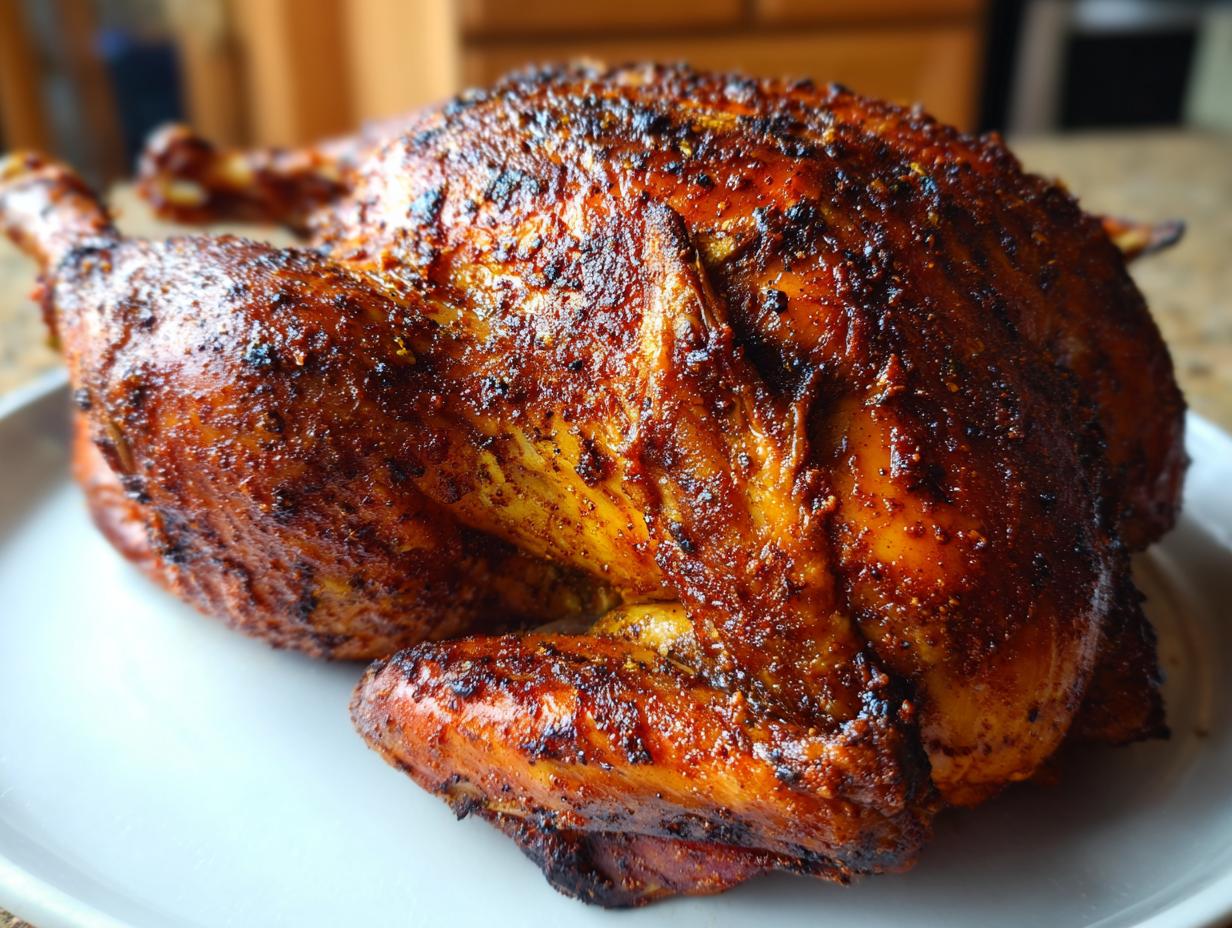
Are you already feeling that holiday kitchen panic? We’ve all been there—juggling an overflowing oven with side dishes fighting for precious real estate. When I was hustling in Austin, I realized I needed big flavor without the fuss, especially for a crowd. That’s why I am absolutely obsessed with this Texas rub spatchcock smoked turkey. It’s juicy, it’s got that deep Texas spice that everyone raves about, and honestly, it cooks so much faster than traditional roasting. That’s exactly what I learned to prioritize when I started building my ‘food dexterity’—making great food fit real life, which you can read more about over on my About page.
This method isn’t just about flavor; it’s about smart cooking. We’re ditching the awkward trussing and opening up the bird so it cooks evenly from edge to edge. You get that incredible, crispy skin that just melts over the intensely seasoned, smoky meat. If you want your holiday centerpiece to taste like true backyard barbecue brilliance, you’ve landed in the right spot. Grab your apron; let’s cook something phenomenal.
- Why This Texas Rub Spatchcock Smoked Turkey is Your Holiday Game Changer
- Assembling the Bold Texas Style Dry Rub Turkey Seasoning
- Step-by-Step: How to Spatchcock and Smoke Turkey
- Tips for a Perfect BBQ Spatchcock Turkey Recipe
- Ingredient Notes and Substitutions for Your Texas Rub Spatchcock Smoked Turkey
- Serving Suggestions for Holiday Smoked Poultry Ideas
- Storage and Reheating Instructions for Leftover Texas Rub Spatchcock Smoked Turkey
- Frequently Asked Questions About Your Texas Rub Spatchcock Smoked Turkey
- Estimated Nutritional Data for This Smoked Turkey Recipe
- Share Your Backyard Barbecue Turkey Success
Why This Texas Rub Spatchcock Smoked Turkey is Your Holiday Game Changer
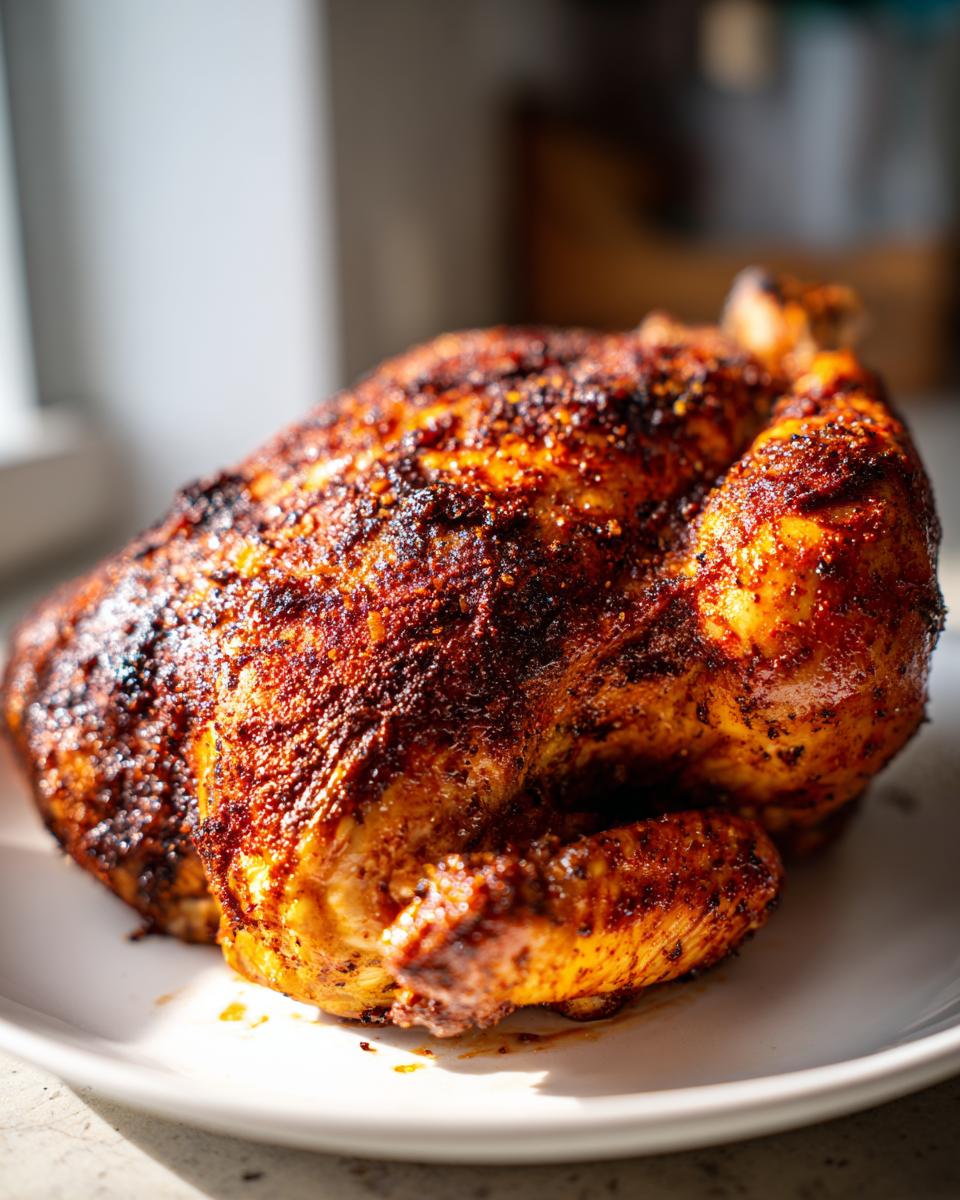
Seriously, ditch the oven drama this year. The biggest win with this Thanksgiving turkey on smoker is the oven space you instantly reclaim! That’s prime real estate for your stuffing or sweet potato casserole. Because we ditch the backbone, this bird lays flat, which means the heat hits everything evenly. Trust me, this is the secret to getting that delicious, deep-flavored bark you’d expect from a top-tier backyard barbecue turkey, but faster.
Spatchcocking is the key to unbelievably moist meat, too. You avoid that dreaded scenario where the breast dries out before the thighs are done. If you’re already looking for faster inspiration, you might want to check out my tips for easy weeknight dinners, because this speed is addictive!
The Science Behind Spatchcocking for Even Cooking
It’s simple geometry, really! When the backbone comes out, the whole bird lies flat like a giant piece of BBQ ready for the smoker grates. This flat shape ensures that the hottest air circulates uniformly all around the turkey. No more hiding the thick parts from the heat! It cooks through faster, and you get far better contact between the skin and that amazing Texas rub.
Assembling the Bold Texas Style Dry Rub Turkey Seasoning
Okay, let’s talk flavor because this is where the ‘Texas’ part really shines through. This isn’t some subtle herb blend; this is a robust, punchy seasoning meant to stand up to heavy smoke. We are leaning hard into smoked paprika—make sure you grab the genuine, smoky kind, not just sweet paprika, because that wood smoke flavor has to compete with the spices! This blend is what gives us that incredible Texas style dry rub turkey bark.
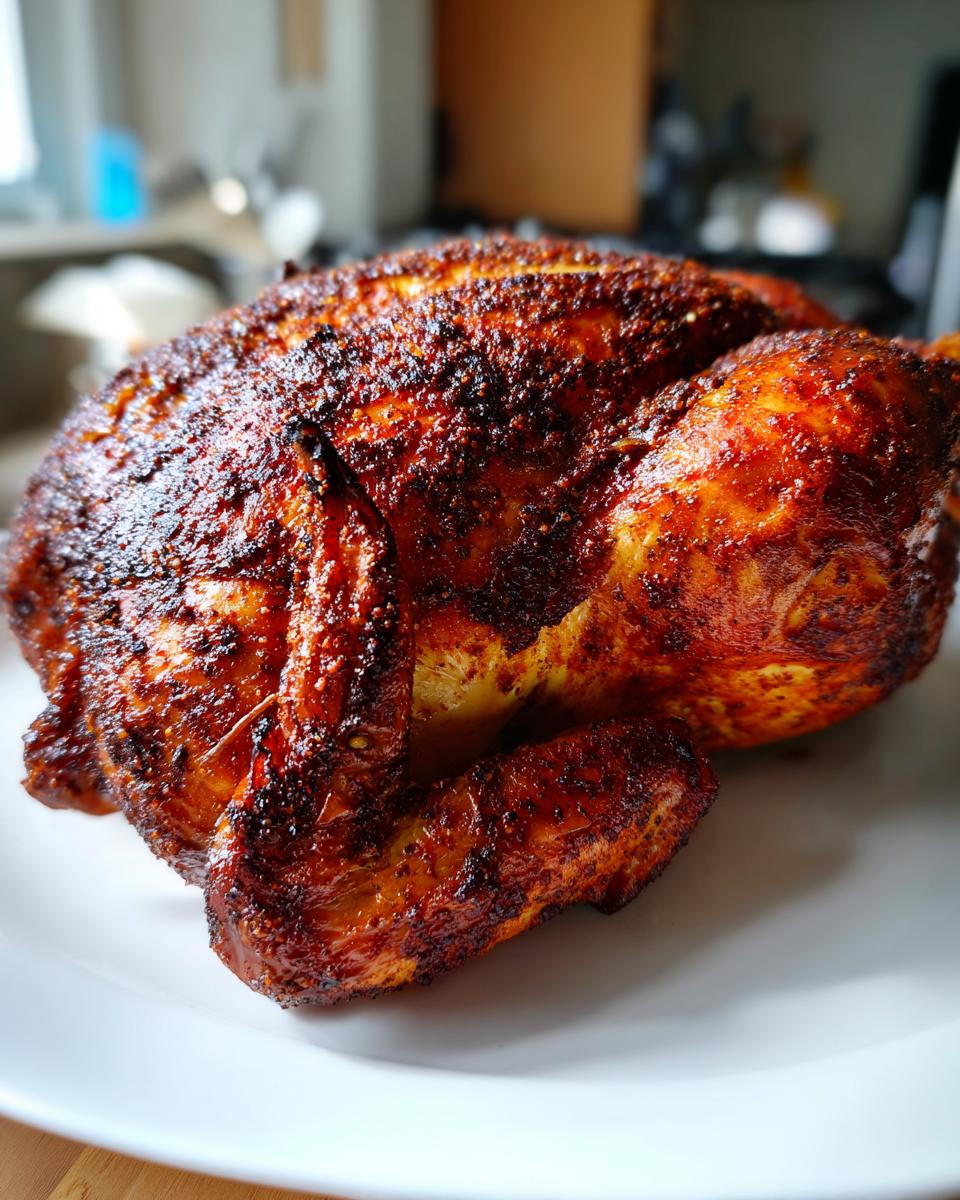
We mix the salt, the paprika, the brown sugar for balance, lots of black pepper, chili powder, cumin, and just a tiny kick of cayenne. That garlic and onion powder base is essential! It’s all about those warm, earthy tones that Texas BBQ is famous for. Mix every granule thoroughly before we even think about touching the turkey.
Ingredient Clarity for the Perfect Texas Rub Spatchcock Smoked Turkey
Precision matters here, especially when developing that deep crust. Make sure you measure everything exactly as written! I know I usually preach about intuition, but the balance between salt and sugar in a dry rub is delicate; too much of one and you pull all the moisture out too fast. Once those dry spices are perfectly combined—we’re talking uniform color in the bowl—then we bring in the softened butter.
The butter isn’t for flavor as much as it is the perfect sticky binder. You want to get that butter spread everywhere—under the wings, over the legs—and then you slather that beautiful spice mix on top. Don’t be shy; be generous! We want every part of that chicken skin covered when we do the final Texas rub spatchcock smoked turkey application.
Step-by-Step: How to Spatchcock and Smoke Turkey
Alright, time to get our hands dirty! This sequence is the blueprint for learning exactly how to spatchcock and smoke turkey perfectly every time. I promise it looks harder than it is. If you can handle a stiff wire hanger, you can handle this. Once you master this technique, you’ll wonder why you ever wasted time with a whole roast bird. If you can get the turkey prepped fast, you’ll have more time to explore my speedy weeknight recipes!
Preparing the Turkey and Applying the Texas Rub
First up, sturdy shears are your best friend! You need to cut out that backbone, which sounds aggressive, but it unlocks everything. Flip the bird over, breast-side up, and press down hard on that breastbone until you hear a satisfying crack and the bird lies perfectly flat. Now, pat that skin bone-dry with paper towels—this is non-negotiable for crispy skin later. Spread that softened butter everywhere, like you’re frosting a cake, then drown that turkey in the Texas rub we just mixed.
The most important step for real bark development happens now: the rest. Put that seasoned bird on a rack, uncovered, in the fridge for at least four hours, but ideally overnight. This dries the surface out, which is the secret handshake for incredible skin texture later on.
Smoking the Texas Rub Spatchcocked Turkey on a Pellet Grill
Preheat your smoker or smoked turkey on pellet grill setup to a nice, steady 250 degrees Fahrenheit. I love using pecan wood chips for this—it gives a subtle sweetness that balances the cumin and chili perfectly. When you put the bird on the grates, skin-side up, monitor those internal temps closely. We’re aiming for 160 degrees in the thickest part of the breast and about 175 degrees in the thigh. This usually takes around four to five hours, depending on how wild the weather is outside!
Achieving Crispy Skin with the Final Temperature Boost
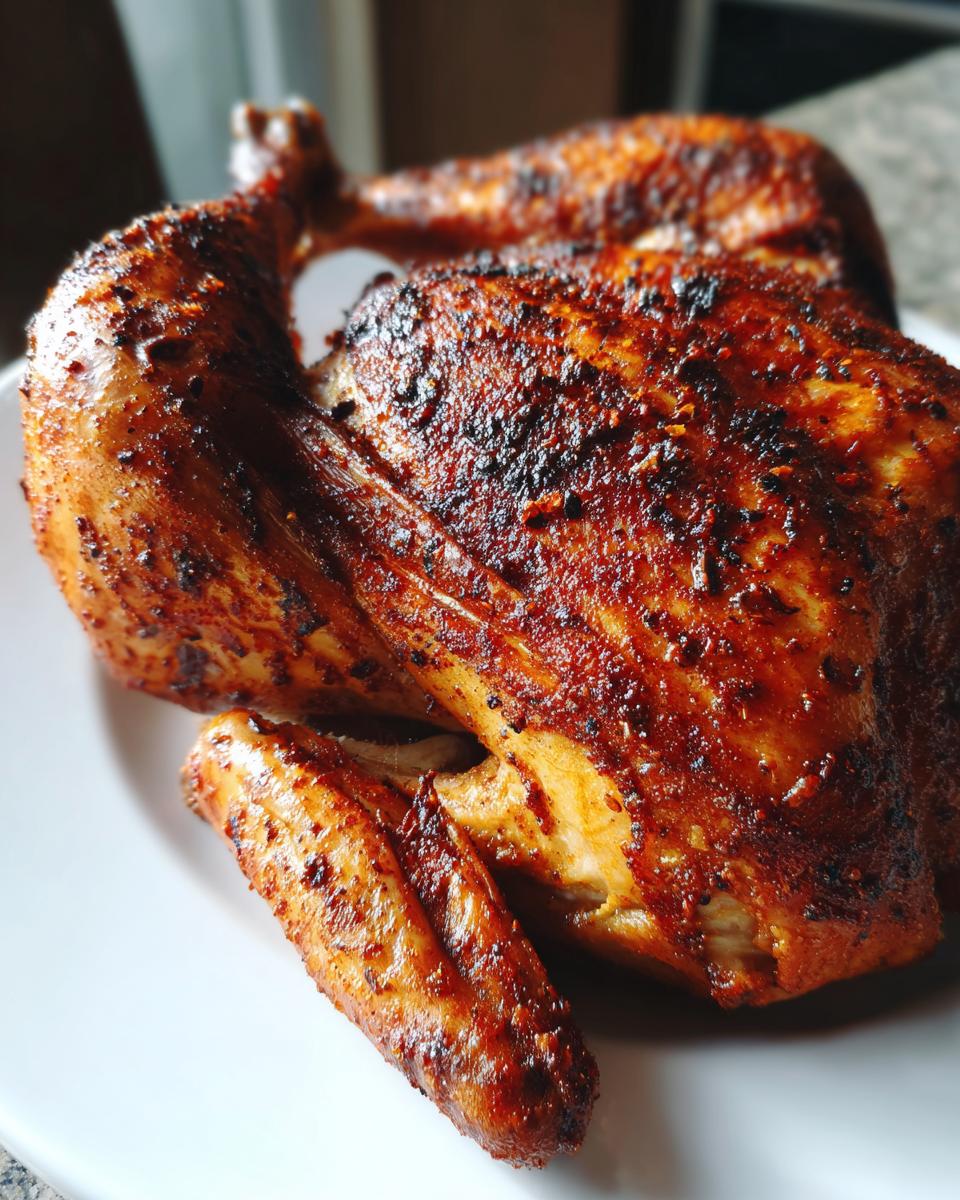
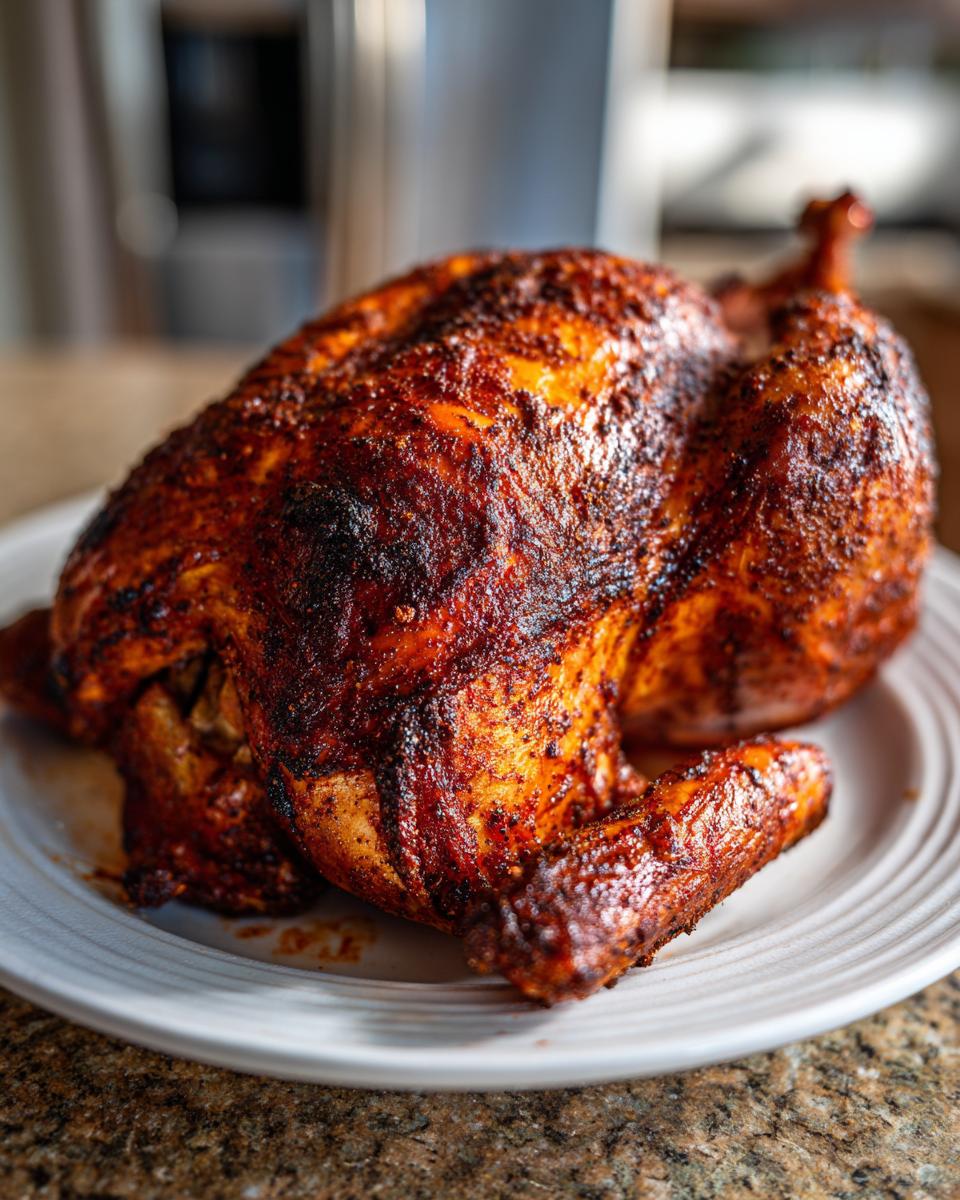
Once those internal targets are hit, we need the crunch! We crank the heat up to 350 degrees for the final 30 minutes. If your smoker can handle that jump, keep it in there. If it struggles, don’t panic; just transfer it carefully to a 350-degree oven for that last blast. We are done only when the breast hits a safe 165 degrees and that skin is a deep, gorgeous mahogany brown. Pull it off, let it rest for a solid 20 minutes, and get ready for the best smoked bird you’ve ever made.
Tips for a Perfect BBQ Spatchcock Turkey Recipe
We’ve got the big steps locked down, but here are a few tiny tweaks that turn a great BBQ spatchcock turkey recipe into an absolute showstopper. My number one piece of advice, which I learned the hard way after one too many lopsided birds, is to invest in a reliable, fast-read thermometer probe that stays clipped right in the breast. You can’t eyeball this part; temperature control is everything!
Also, try to avoid running super heavy smoke—say, a ton of soaked wood chips—for the first couple of hours. When you smoke low and slow, the light smoke flavor is what you want to build a base. Too much heavy smoke early on can sometimes turn that beautiful rub bitter. If you’re already thinking about how to get food on the table faster next time, don’t forget to peek at my easy weeknight dinners for quick inspiration!
Ingredient Notes and Substitutions for Your Texas Rub Spatchcock Smoked Turkey
Now that you’ve seen the steps, I know some questions pop up about the ingredients, especially if you’re low on something or have an allergy. Don’t you worry your head! This is about being resourceful, which is half the fun of cooking. The quality of your smoked paprika really dictates how authentic this tastes; it’s the anchor for our whole flavor profile in this Texas rub spatchcocked smoked turkey, so spend a little extra there if you can!
What about the butter binder? Butter is fantastic because that fat helps the skin brown beautifully when we crank up the heat later, but if you absolutely must substitute, you could try using olive oil or even avocado oil—just slap it on really well. Flavor-wise, it won’t match the richness butter brings when it renders, but it will still hold that rub in place. If you are using oil, make sure to pat the skin extra dry first!
And heat level? That cayenne pepper is optional, but for me, Texas BBQ needs a little fire! If you have sensitive eaters, feel free to leave the cayenne out entirely. Or, if you’re like my brother and want to melt faces, double it! Start with the recipe amounts, taste the rub before you apply it (yes, taste the *dry rub*!), and adjust based on what feels right for your crowd. Cooking should always be personalized!
Serving Suggestions for Holiday Smoked Poultry Ideas
This bold, smoky turkey deserves sides that can stand up to its big flavor—no frilly, delicate things here! When I plan my holiday smoked poultry ideas, I always lean into savory comforts. You absolutely need something creamy and rich, like my Au Gratin Potatoes, to cut through that spice and smoke beautifully. Find that recipe right here.
Also, since the smoker is already running, why waste the effort? Throw in some Crock-Pot stuffing! It keeps your oven completely clear, which is the whole point of this method. That savory, slow-cooked goodness is the perfect counterpart to the peppery turkey. I’ve got that stuffing recipe waiting for you too!
Storage and Reheating Instructions for Leftover Texas Rub Spatchcock Smoked Turkey
Whew! If you managed to have any leftovers from that flavor explosion, good for you! This bird is so moist it keeps really well, but you still need to treat those leftovers right so they taste almost as good the next day. We want to respect all that hard work you put in with the spatchcocking and the smoky rub.
First things first: storage. Once the turkey is fully cooled—and this is important, don’t put a huge hot turkey in your fridge—slice it up or pull the meat off the bones. Store it in airtight containers. It will keep beautifully in the refrigerator for up to four days. If you know you won’t eat it all by then, it freezes like a dream!
When freezing, aim for smaller portions rather than one giant block. Wrap the meat tightly first in plastic wrap, and then give it an aluminum foil hug. It should last about three months, tasting fantastic when you finally pull it out.
Now, the reheating part is where most people mess up, but we won’t! The biggest enemy of leftover turkey is dryness, especially after it has been smoked. Don’t just throw slices on a plate in the microwave; that’s a tragedy waiting to happen.
Reheating Slices to Preserve Moisture
My favorite method is keeping things gentle. If you’re reheating individual slices or smaller portions, put them into a baking dish. Pour just a splash—maybe two tablespoons per serving plate—of chicken broth or even a little turkey stock around the slices. Don’t drown it, just enough to create steam!
Cover that dish tightly with foil—super important to trap the steam—and pop it into a low oven, maybe 300 degrees Fahrenheit, just until the meat is warmed through. This low heat, steamy environment coaxes that moisture right back into the fibers. You’ll be amazed how tender that smoky meat stays!
Great Ways to Use Leftover Smoked Turkey
Honestly, this meat is so flavorful it barely needs anything extra. But if you’re tired of sandwiches, you have so many applications for this amazing bird. Chop up the last bits and toss it straight into chili—the smoky flavor is incredible paired with beans. It’s fantastic chopped up for tacos or even mixed into macaroni and cheese. Unlike plain roasted turkey, this leftover meat has serious depth of flavor, thanks to that awesome Texas rub clinging to every piece!
Frequently Asked Questions About Your Texas Rub Spatchcock Smoked Turkey
I get so many messages asking about little hiccups that can happen when you step outside the oven and move to the smoker. It’s totally normal! Cooking with fire and smoke is an art, but once you know these cheats, it becomes easy dexterity. Here are the top questions I get regarding this incredible Texas rub spatchcock smoked turkey.
Why is my turkey skin not getting crispy after smoking?
This is usually down to humidity or not letting the skin dry out enough before it hits the smoker. Remember that overnight rest uncovered in the fridge? That’s essential! If your skin is still wet when it goes on the grates, the smoke will steam it instead of crisping it. If you followed that step and it *still* isn’t crisping up by the time you reach 160 degrees, crank that smoker right up to 350 degrees for the last 30 minutes. That direct, hotter blast acts like a broiler.
Can I use this amazing Texas style dry rub turkey seasoning on chicken?
Absolutely, yes! I mean, why wouldn’t you? This rub is fantastic on anything you want a bold, smoky flavor on. I use a slightly lighter hand when I do it on chicken breasts—maybe cut the salt down by about 10% because chicken absorbs seasoning faster than a big bird. It makes for the best smoked turkey on pellet grill style flavor, even on a small batch of thighs or wings. Try it out; you won’t regret simplifying your spice blends!
What is the best type of wood to use when smoking this turkey?
For this specific recipe, you need a wood that complements the heavy chili and cumin flavors without overpowering them. I always tell people that for poultry, you want something mild and slightly sweet. While hickory is a classic American smoke flavor, my personal favorite for the BBQ spatchcock turkey recipe is pecan. It’s smooth, not too aggressive, and it really lets the paprika and brown sugar notes in the rub shine. If you’re looking for other ways to keep dinner healthy, check out these anti-inflammatory dinners while your turkey smokes!
Do I really need to rest the turkey before carving?
Let me tell you, skipping the rest is the fastest way to ruin eight hours of careful smoking! Resting is critical, especially when you cook it whole like this. When the turkey comes off the heat, the juices are all excited and moving rapidly inside the meat fibers. If you cut it immediately, all that delicious moisture pours out onto your cutting board. Give it that full 20 minutes of rest—the juices redistribute and settle back in. It’s done when it’s ready to carve, not before!
Estimated Nutritional Data for This Smoked Turkey Recipe
You’ve worked hard crafting this masterpiece, and while we focus on flavor and fun in the kitchen, knowing roughly what’s on the plate is important too! Remember, I’m a cook, not a certified nutritionist, so these numbers are just an honest estimate based on the ingredients used and divided across the 10 servings the recipe yields. Cooking times, specific brands of butter, or how much rub you manage to get stuck to your hands can change these figures slightly!
I tried to keep this recipe focused on lean protein—which is why this smoked turkey on pellet grill breast is a favorite of mine—but that rich Texas rub does bring in some fats from the butter binder. Here’s the ballpark breakdown, per generous 6 oz serving:
- Calories: About 350
- Protein: A whopping 45 grams! That’s some serious fuel.
- Fat: Around 18 grams total (with 6 grams of that being saturated fat). That’s where the flavor lives, but measure responsibly!
- Carbohydrates: Very low, just about 2 grams, mostly from the molasses in the brown sugar.
- Sodium: Roughly 650 mg. This is due to the kosher salt in the rub—if you’re watching salt, scale back that amount slightly when mixing your seasoning.
Just keep this handy note nearby: these estimates are based on the specified ingredient list and portion size. If you load up on my homemade au gratin potatoes as a side, you know the total calorie count for the plate is going up! Enjoy the feast!
Share Your Backyard Barbecue Turkey Success
That’s it! You’ve got the roadmap, you’ve got the bold flavors of Texas wrapped around the juiciest piece of poultry you’ve ever smoked. Now comes the best part: seeing what you make! Food Dexterity is all about building confidence through community, and I absolutely live to see your kitchen victories.
When you pull that perfectly bronzed, tender backyard barbecue turkey off the smoker, please, please come back and tell me what you thought. Leave a star rating right below—it helps other cooks find this method—and share any fun little tweaks you made to the rub. Did you add a pinch of mustard powder? Did you use hickory instead of pecan? I want to know!
The absolute best way to show off is by snapping a picture of that gorgeous, flattened bird next to your holiday spread. Tagging me on social media means I get to share your triumph with everyone, proving that anyone can master a show-stopping main course without stressing out. If you ever need to get in touch directly with a specific question about your smoke session, that’s what the contact page is for. Now go enjoy that amazing, flavorful bird!
PrintTexas Rub Spatchcock Smoked Turkey
Cook a juicy, flavorful turkey with crispy skin using a bold Texas-style dry rub and the spatchcock method on your smoker for efficient holiday cooking.
- Prep Time: 30 min
- Cook Time: 5 hours
- Total Time: 5 hours 30 min
- Yield: 10 servings 1x
- Category: Poultry
- Method: Smoking
- Cuisine: American
- Diet: Low Calorie
Ingredients
- 1 whole turkey (12–14 lbs)
- 1/2 cup kosher salt
- 1/4 cup smoked paprika
- 3 tablespoons brown sugar
- 2 tablespoons black pepper
- 2 tablespoons chili powder
- 1 tablespoon garlic powder
- 1 tablespoon onion powder
- 1 tablespoon ground cumin
- 1 teaspoon cayenne pepper
- 1/2 cup unsalted butter, softened
Instructions
- Prepare the turkey: Place the turkey breast-side down on a cutting board. Use strong kitchen shears to cut along both sides of the backbone, removing it completely. Flip the turkey over and press firmly on the breastbone to flatten the bird completely.
- Mix the rub: In a small bowl, combine the kosher salt, smoked paprika, brown sugar, black pepper, chili powder, garlic powder, onion powder, ground cumin, and cayenne pepper. Mix well.
- Apply the rub: Pat the entire turkey surface dry with paper towels. Rub the softened butter all over the turkey skin. Generously apply the Texas rub mixture to all surfaces of the turkey, pressing it into the skin.
- Rest: Place the seasoned turkey on a wire rack set over a baking sheet. Refrigerate uncovered for at least 4 hours or preferably overnight to dry the skin.
- Prepare the smoker: Preheat your smoker or pellet grill to 250 degrees Fahrenheit. Use hickory or pecan wood for smoke flavor.
- Smoke the turkey: Place the spatchcocked turkey directly on the smoker grates, skin-side up. Smoke until the internal temperature reaches 160 degrees Fahrenheit in the thickest part of the breast and 175 degrees Fahrenheit in the thigh. This usually takes about 4 to 5 hours, depending on the grill temperature.
- Crisp the skin: Increase the smoker temperature to 350 degrees Fahrenheit for the last 30 minutes of cooking, or move the turkey to a 350 degree oven if your smoker cannot reach this temperature, until the skin is deeply browned and crisp, and the internal temperature reaches 165 degrees Fahrenheit.
- Rest and serve: Remove the turkey from the heat. Let it rest for 20 minutes before carving.
Notes
- Spatchcocking allows the turkey to cook faster and more evenly, freeing up oven space for side dishes.
- For extra moisture, you can inject the turkey breast with 1/2 cup of chicken broth mixed with 1 tablespoon of butter before applying the rub.
- This Texas rub recipe provides bold flavor perfect for a backyard barbecue turkey experience.
Nutrition
- Serving Size: 6 oz cooked meat
- Calories: 350
- Sugar: 1
- Sodium: 650
- Fat: 18
- Saturated Fat: 6
- Unsaturated Fat: 12
- Trans Fat: 0
- Carbohydrates: 2
- Fiber: 1
- Protein: 45
- Cholesterol: 150