

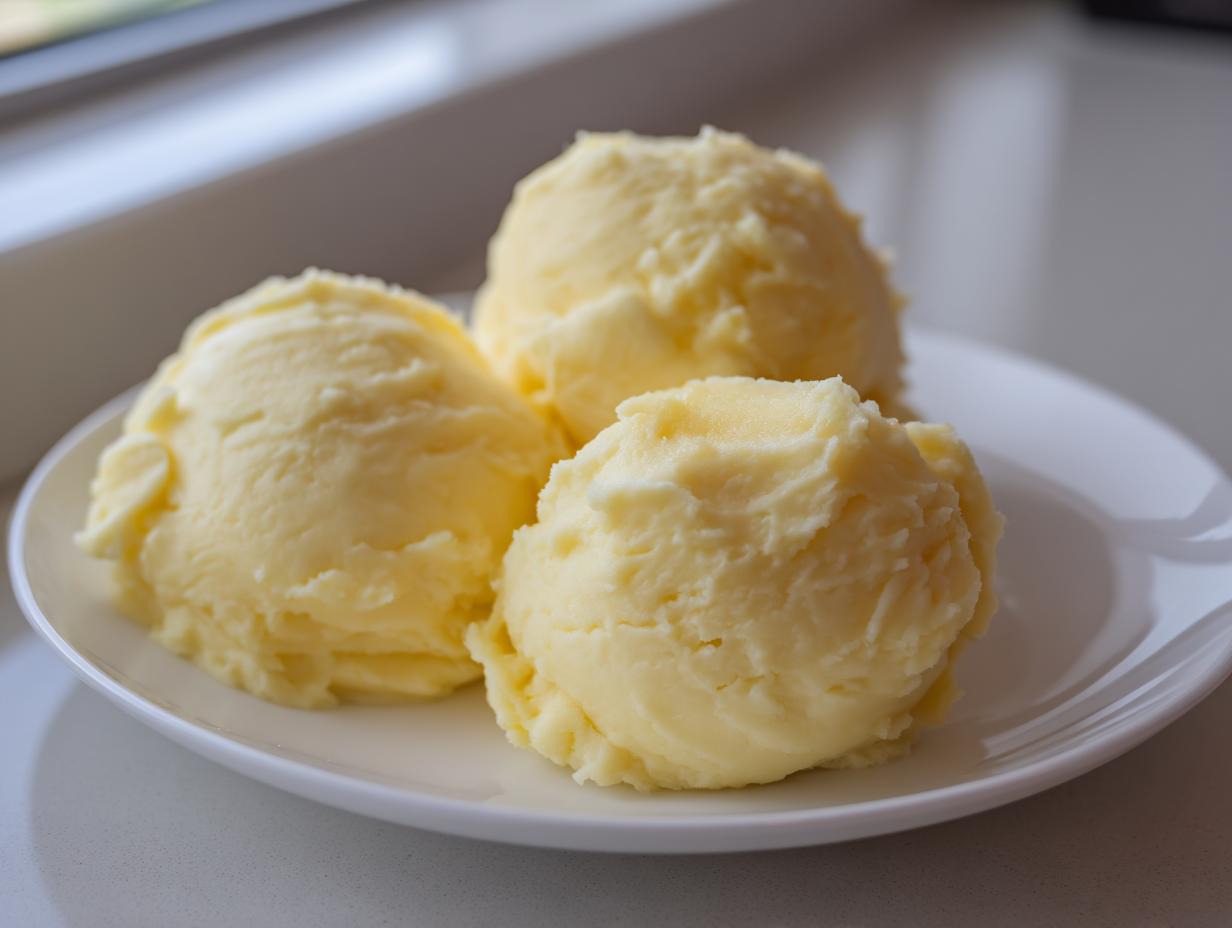
Oh, when I think of real comfort food, my mind instantly goes to a giant mound of perfectly soft, buttery mashed potatoes. Seriously, nothing beats them! For me, the goal has always been to nail that classic texture—you know, rich and creamy, but still delightfully fluffy, never that gluey mess we all dread. That’s the Food Dexterity promise: making the absolute best version of an old classic achievable, even on a Tuesday night. This recipe isn’t fussy, but it demands a little attention to a few key steps, and I guarantee you’ll get the ultimate, stunningly smooth result every single time.
- Why This is the Best Mashed Potato Recipe for Creamy Results
- Essential Ingredients for Perfect Mashed Potatoes
- Step-by-Step Instructions for Fluffy Potato Side Dish
- Pro Tips for Mastering Classic Mashed Potatoes
- Making Mashed Potatoes Ahead of Time and Storage
- Flavor Variations for Your Mashed Potatoes
- Serving Suggestions for These Fluffy Mashed Potatoes
- Frequently Asked Questions About Homemade Mashed Potatoes
- Nutritional Estimate for Classic Mashed Potatoes
- Nutritional Estimate for Classic Mashed Potatoes
Why This is the Best Mashed Potato Recipe for Creamy Results
I know, I know, everyone claims they have the *best* mashed potatoes recipe, but mine delivers on texture in less than 40 minutes total time. That’s fast enough for a last-minute dinner but good enough to keep Uncle Jerry happy at Thanksgiving! The real secret here is twofold: we use the right potato (which we’ll talk more about later!) and we treat the dairy right.
We are treating this like a rich, buttery potato side that deserves respect. Heating the milk and butter together before adding it creates truly creamy mashed potatoes that absorb perfectly without cooling down the fluffy mash. Never dump cold milk into hot potatoes, trust me! That temperature shock makes them heavy and dense. This method guarantees that buttery, smooth result you’re dreaming of, and we do it all super quickly.

Essential Ingredients for Perfect Mashed Potatoes
You can follow every step perfectly, but if you skimp on the core ingredients, your final product just won’t sing. For this ultimate recipe, we stick to simple, quality components. You’ll need about 3 lbs of potatoes, making sure they are peeled and cut into roughly uniform quarters so they cook evenly. We absolutely insist on whole milk here; anything less just won’t give you that needed richness.
Don’t forget 8 tablespoons of good, unsalted butter, cut into little pieces—this helps it melt smoothly later. Salt and pepper are key, of course, but I also love adding about 1/4 cup of sour cream if I’m feeling extra decadent. That little bit of tang makes these mashed potatoes truly unforgettable!
Potato Selection: Russet vs. Yukon Gold for Your Mashed Potatoes
This choice matters more than you think, and it totally depends on what kind of mash you love most! If your ultimate goal is that gorgeous, cloud-like lightness, stick with Russet potatoes. They are starchier, which means they break down easily when mashed, giving you those super fluffy potato side dish results.
But if you’re chasing that decadent, dense, super-smooth texture, Yukon Gold is your winner. They have a naturally buttery flavor and contain less starch, making them inherently creamier right out of the pot. Both make phenomenal mashed potatoes, so pick your favorite texture profile before you even start peeling!
Step-by-Step Instructions for Fluffy Potato Side Dish
Okay, let’s get these taters ready! We’re looking for perfection here, but we’ll keep the whole process under 40 minutes. Remember that foundational rule: you always start your potatoes in cold water. If you drop them into boiling water, the outsides get mushy and fall apart before the centers are even done cooking. That means uneven mashed potatoes!
Get your potatoes peeled, quartered, and into a pot. Cover them with cold water—about an inch over the top is perfect—and don’t forget to add a good tablespoon of salt to that water. We want them seasoned from the inside out!
Now, put that on high heat and bring it to a rolling boil, then dial it back to a steady simmer. They need about 15 to 20 minutes to get fork-tender. While they’re bubbling away, get your dairy sorted. I always warm up the milk and butter together gently on the stove until the butter melts. Never, ever boil the milk, just get it cozy and warm. You can use that time to whip up a quick gravy if you’re feeling ambitious!
Cooking and Draining Your Mashed Potatoes
Once those potatoes are soft enough that a fork slides in with zero fighting, it’s time to drain them fast! Tip them into a colander, then—this is crucial, people—put them right back into the empty, hot pot they cooked in. Let them sit there for just two minutes. That residual heat steams off any extra water clinging to the surface. This is your secret weapon against watery, sad side dishes for dinner!
The Technique for Smooth Mashed Potatoes: Mashing vs. Whipping
Here’s where we build the *fluffy* part. Grab your hand masher. I mean it—put the electric mixer away! If you whip these potatoes like you’re making cake batter, you break down the starches too much, and BAM! Instant glue. We want light and airy, not dense and gummy.
Mash them really well until they look mostly smooth, but don’t worry about every single tiny lump yet. Now, slowly drizzle in that warm butter/milk mixture, folding it in gently with a sturdy spatula or wooden spoon. Add it bit by bit, folding until it looks silky. This gentle incorporation is what ensures you get truly smooth mashed potatoes that are light enough to float!

Pro Tips for Mastering Classic Mashed Potatoes
Now that you have the core recipe down, let me share a few extra secrets I picked up over the years—especially the ones that made my family call these the best mashed potato recipe ever. If you want true mastery over your comfort food potato recipes, texture control is everything!
First thing: always, always warm your dairy. I mentioned it before, but it bears repeating! Cold milk equals dense potatoes. Getting that milk and butter mixture just warm enough to melt the butter completely means it slides beautifully into the potatoes, keeping them light. Second, try mashing them twice if you are serious about how to make smooth mashed potatoes. Mash them roughly first, add the liquids gently, mix, and then if you need it smoother, switch to a ricer just for the final pass. Never use a food processor, please!
Also, don’t toss those potato skins if you’re feeling brave! Sometimes I boil a few unpeeled potatoes and mash them separately—those skins give you a rustic look and a little extra flavor boost. For the ultimate texture, remember to let those drained potatoes chill out for two minutes to steam dry; that simple habit keeps you out of the watery mash zone. For more tips on achieving that perfect consistency, check out this great breakdown from my friends over at Tiny Kitchens, Big Flavors!

Making Mashed Potatoes Ahead of Time and Storage
Let’s be honest, if you’re planning big meals, especially for holidays like Thanksgiving, you need options to prep ahead. Nobody wants to be starting from scratch when the turkey needs carving! The great thing about these mashed potatoes is that they handle make-ahead styling pretty well, as long as you play by the rules.
You can absolutely make these right up to step six—where you’ve added the warm milk/butter mixture but haven’t stirred in the final seasonings or sour cream yet. That’s your stopping point. Pop the pot into the fridge, making sure it’s covered tight. You can keep them chilled like this for two days, max. Trying to keep them longer starts getting risky for texture.
When game time hits, you can’t just microwave them straight from the fridge; that’ll make them stiff! You need to bring them back gently. Transfer the cold mash into a saucepan over very low heat. Add a splash or two of *extra* warm milk—this is key to rehydrating that creamy texture you built earlier. Stir constantly, very slowly, until they are hot all the way through. Then, add your salt, pepper, and sour cream (if using) and give them one final, gentle fold. It’s so much less stress than trying to mash 5 lbs of potatoes while the timer on the oven is screaming at you!
If you ever find yourself in a massive bind and need a super-fast potato fix later on, I’ve experimented with potato flakes, too, though they are a completely different beast. But for that true classic potato side flavor, the stovetop reheating method works best for this recipe. If you want something truly different when you’re short on time, you can check out my thoughts on using potato flake recipes sometime, but for this creamy batch, stick to the slow reheat!
Flavor Variations for Your Mashed Potatoes
Honestly, while I swear by the pure, buttery taste of the classic, sometimes you just need to jazz things up a little! These basic, flawless mashed potatoes are just waiting for you to play around with them. The nice thing is that because the texture is so perfect, you don’t have to worry about adding extra ingredients making them weird, unless you go totally overboard!
If you want to add some serious savory punch with hardly any effort, you have to try the Parmesan Garlic version. Right at the end, when you stir in your final seasoning (in step 6), throw in about 1/2 cup of finely grated Parmesan cheese. You get this salty, sharp note that tastes incredible. For the garlic flavor component, I highly recommend you use roasted garlic instead of raw; it’s sweeter and milder. You can find my method for making that simple Garlic Parmesan mix here.
Then there’s the sheer indulgence of cheesy potatoes! If you’re aiming for next-level comfort food, try adding 3/4 cup of sharp cheddar cheese—something good quality that melts well. Just make sure you add it right at the very end when the potatoes are off the direct heat. You want that cheese to melt smoothly into the hot, starchy goodness, not seize up and get greasy. Those cheesy versions are fantastic side dishes when you need something a little heavier!
For those of you who want a little green zing, a tablespoon of fresh, finely chopped chives or parsley sprinkled on top right before serving brightens everything up beautifully. It’s a fresh twist on comfort food potato recipes that looks fantastic on the plate, too. You can even try adding a touch of horseradish for a bit of a kick—I found that recipe inspiration over at Delicious Corner for a spicy cheddar variation, which is surprisingly good!

Serving Suggestions for These Fluffy Mashed Potatoes
Once you have a batch of these truly perfect, creamy potatoes cooling down slightly on the stovetop, the next job is figuring out what amazing main course deserves to swim in that buttery goodness! Since these are so versatile—leaning toward that classic potato side flavor profile—they really go with everything you can imagine.
For a solid weeknight dinner, you really can’t beat them with a simple, pan-seared meatloaf or maybe some oven-baked chicken thighs seasoned with herbs. They are sturdy enough that they hold up beautifully to a drizzle of any pan sauce you might be making. Trust me, when you have potatoes this good, the main course almost becomes secondary!
But let’s talk holidays, okay? If you are prepping for Thanksgiving or Christmas, these are the ultimate foundation for a festive plate. They welcome gravy like it’s their favorite cousin coming to visit. If you’re looking for a foolproof way to handle the bird itself, I have a fantastic slow cooker turkey breast recipe that stays incredibly moist, which means plenty of glorious juices left over to pour right over these fluffy beauties.
They are also the perfect backdrop for pot roasts, slow-cooked short ribs, or even things like salmon if you want a lighter meal. The richness of the potatoes balances out both heavy braises and leaner fish so nicely. Seriously, these gorgeous, buttery mounds elevate whatever you serve them next to!
Frequently Asked Questions About Homemade Mashed Potatoes
I always get so many questions about troubleshooting my mashed potatoes! It makes total sense—we’ve all been there, staring sadly into a bowl of lumpy or watery disappointment. Here are a few things I hear most often when people are working on mastering this classic potato side:
Why are my mashed potatoes turning out gluey or gummy?
Oh, that’s the starch talking back to you! This almost always happens because you overworked the potatoes, usually by using an electric mixer or food processor. When you mix potatoes too vigorously after they are tender, the starch cells burst and release too much sticky starch, resulting in that heavy, gluey texture. For truly smooth mashed potatoes, always stick to hand mashing or, even better, using a potato ricer. Remember, we fold in the dairy gently; we don’t whip!
Can I substitute heavy cream for the whole milk in this recipe?
You absolutely can, and if you want to lean into pure decadence, go for it! Heavy cream makes for intensely rich and creamy mashed potatoes, but you might need to adjust slightly. Because heavy cream has a higher fat content, it’s much thicker than whole milk, so your buttery potato side might come out on the thicker end. If you use cream, I usually add just a tiny splash more to make sure everything incorporates nicely without becoming too stiff. It’s a wonderful upgrade for special occasions!
If I want my potatoes fluffier, should I use Russets or Yukon Golds?
This is the million-dollar question for anyone chasing the perfect fluffy potato side dish! If you want maximum fluffiness, Russets win every time. They have very high starch and low moisture content, so they break down into a dry, fluffy crumb that feels light on the tongue. Yukon Golds make you happier if your main goal is maximum creaminess, as I mentioned before. So, pick your potato based on your texture goal!
What’s the secret to avoiding watery mashed potatoes when using the boiling method?
There are two non-negotiables here, and getting them right guarantees you skip the watery mess. First, make sure you salt that boiling water—it forces flavor into the potato immediately. Second, and this is the one everyone skips: after you drain the potatoes completely, put them back in the hot pot, off the heat, and let them sit for two minutes so the steam can carry away surface moisture. After that little steam bath, they are ready to soak up your butter and milk perfectly, not water!
Can I add garlic flavor without making complex garlic mashed potatoes recipe?
Yes! For an easy infusion of flavor, toss two whole, smashed cloves of garlic into the pot while the potatoes are boiling for their 15 to 20 minutes. When you pull the potatoes out to drain them, just scoop those soft, cooked garlic cloves out and toss them! They will have softened perfectly, and you can smash them right in with your potatoes during the final mixing stage. They won’t be sharp like raw garlic, just wonderfully aromatic and savory. If you need a killer gravy to go with it, you know Brown Sugar Gravy is always a winner—check out my recipe for lump-free turkey gravy!
Nutritional Estimate for Classic Mashed Potatoes
If you’re tracking macros or just curious about what’s going into your favorite comfort food potato recipes, here’s a general estimate for one serving of these classic, buttery mashed potatoes based on the ingredients list provided. Remember, these numbers change a lot depending on how much butter or sour cream you personally decide to stir in!
- Serving Size: 1 serving
- Calories: 310
- Fat: 18g
- Saturated Fat: 11g
- Carbohydrates: 33g
- Protein: 6g
- Sugar: 3g
- Cholesterol: 45mg
This estimate is based on using the recipe as written, including the optional sour cream. If you skip the sour cream, the fat and calorie counts will drop slightly, but honestly, why would you skip it?
Nutritional Estimate for Classic Mashed Potatoes
If you’re tracking macros or just curious about what’s going into your favorite comfort food potato recipes, here’s a general estimate for one serving of these classic, buttery mashed potatoes based on the ingredients list provided. Remember, these numbers change a lot depending on how much butter or sour cream you personally decide to stir in!
- Serving Size: 1 serving
- Calories: 310
- Fat: 18g
- Saturated Fat: 11g
- Carbohydrates: 33g
- Protein: 6g
- Sugar: 3g
- Cholesterol: 45mg
This estimate is based on using the recipe as written, including the optional sour cream. If you skip the sour cream, the fat and calorie counts will drop slightly, but honestly, why would you skip it?
PrintThe Ultimate Creamy and Fluffy Mashed Potatoes

Make the best mashed potatoes every time with this simple recipe focusing on creamy texture and rich, buttery flavor. This classic potato side dish is perfect for weeknight dinners or holiday feasts.
- Prep Time: 15 min
- Cook Time: 25 min
- Total Time: 40 min
- Yield: 6 servings 1x
- Category: Side Dish
- Method: Boiling and Mashing
- Cuisine: American
- Diet: Vegetarian
Ingredients
- 3 lbs Russet or Yukon Gold potatoes, peeled and quartered
- 1 cup whole milk
- 8 tablespoons unsalted butter, cut into pieces
- 1 teaspoon salt, plus more for boiling water
- 1/2 teaspoon black pepper
- 1/4 cup sour cream (optional, for extra creaminess)
Instructions
- Place the peeled and quartered potatoes in a large pot. Cover them with cold water by about one inch. Add 1 tablespoon of salt to the water.
- Bring the water to a boil over high heat. Reduce heat to maintain a steady simmer and cook until the potatoes are fork-tender, about 15 to 20 minutes.
- While the potatoes cook, gently warm the milk and butter together in a small saucepan over low heat until the butter is melted. Do not boil the milk mixture.
- Drain the potatoes completely in a colander. Let them sit for 2 minutes to allow excess moisture to steam off. This step helps prevent watery mashed potatoes.
- Return the drained potatoes to the hot, empty pot. Mash them thoroughly using a potato masher until mostly smooth. Avoid over-mashing at this stage.
- Gradually add the warm milk and butter mixture to the potatoes, mixing gently with a wooden spoon or spatula until just combined and creamy. Do not use an electric mixer, as this develops starch and makes the potatoes gluey.
- Stir in the salt, pepper, and sour cream, if using. Mix only until incorporated.
- Taste and adjust seasoning. Serve your fluffy potato side dish immediately.
Notes
- For the creamiest mashed potatoes, use Yukon Gold potatoes. For the fluffiest texture, use Russet potatoes.
- Warm your dairy ingredients before adding them; cold liquids result in cooler, denser mashed potatoes.
- If you prefer garlic mashed potatoes, add 2 cloves of smashed garlic to the water while the potatoes boil, then remove before mashing.
- For make-ahead ease, you can prepare the potatoes through step 6, cover, and refrigerate. Reheat gently on the stovetop with a splash of extra warm milk before serving.
Nutrition
- Serving Size: 1 serving
- Calories: 310
- Sugar: 3
- Sodium: 450
- Fat: 18
- Saturated Fat: 11
- Unsaturated Fat: 7
- Trans Fat: 0.5
- Carbohydrates: 33
- Fiber: 3
- Protein: 6
- Cholesterol: 45